At Casa Timiș Wellness & Spa Resort, hospitality meets sustainability: we harness the power of the sun, make use of recycled water, transform waste into new life, and celebrate the gifts of the terroir in each of our restaurants. We embrace nature by planting trees and flowers to support biodiversity, preserve hectares of old vineyards, safeguarding the authentic spirit of the Dealu Mare region, and envision a green, responsible future for all.
Vine culture is distinguished as a form of sustainable agriculture, largely due to its well-developed root system that, over time, reduces the need for artificial irrigation. This aspect of viticulture brings significant ecological and economic benefits, thus contributing to the overall sustainability of agriculture.
A particularly important aspect of our sustainable approach is the use of reusable glass containers for serving water. This not only significantly reduces plastic consumption, but also contributes to a lower environmental impact.
The Casa Timis estate is now home to 1800 birches, hundreds of tuya columnaris, oaks, firs, spruces, lindens and willows. Not only fruit trees were planted, but also an impressive variety of other species of trees and plants. This diversity not only enriches biodiversity, but also contributes to the creation of a healthy ecosystem, the absorption of CO2 and the improvement of soil and air quality.
The investment in photovoltaic panels, LED lighting, and battery storage for generators reflects Casa Timiș Resort’s commitment to sustainability. This demonstrates a conscious and responsible approach to the environment, serving as an example of best practice in sustainable tourism. Through these choices, the resort not only reduces its long-term operational costs but also contributes to environmental protection, providing its guests with an eco-friendly accommodation experience.
Casa Timiş adopts a proactive and innovative approach to reducing food waste, a crucial aspect of sustainability in the restaurant industry. By carefully planning menus, the restaurant ensures that ingredient usage is maximized, thereby reducing waste. This strategy not only optimizes resource use but also contributes to more efficient financial management.
In the context of climate change, artificial aquatic ecosystems can also help mitigate its effects by absorbing carbon dioxide and regulating the local microclimate. Additionally, they can play a role in water resource management by serving as reservoirs for collecting and storing rainwater.
The thatched roofs of the bungalows are a key element. They not only provide natural insulation, thus reducing energy consumption for heating and cooling, but also contribute to creating an ecosystem for local flora and fauna, while simultaneously improving the surrounding air quality.

Florica Romalo 4,
Chițorani Prahova

At Casa Timiș, we are proud to announce that we hold the Green Key certification, a prestigious international program dedicated to promoting sustainable tourism. Green Key, recognized and supported by the World Tourism Organization and UNEP (United Nations Environment Programme), targets tourism establishments committed to preventing climate change and supporting the best environmental initiatives.
The Green Key program aims to:
Prevent climate change by rewarding ecological initiatives in the hospitality sector.
Educate all stakeholders involved in tourism – businesses, authorities, tourists, and local communities.
Award tourist facilities that meet national and international Green Key criteria.
Ensure that tourists choosing Green Key-certified accommodations benefit from environmentally friendly stays and encourage the adoption of green practices in the industry.
Green Key is based on international criteria that educate, protect the environment, reduce consumption and costs, promote the accommodation, and strengthen tourism activities. In Romania, the program is conducted by the Carpathian-Danubian Center for Geoecology (CCDG), the only national operator authorized to evaluate tourism establishments according to the international Green Key regulations.


Located in the heart of an amphitheater of vineyards, Casa Timiș Wellness and Spa Resort is a sanctuary for those seeking tranquility, reconnection with nature, and luxurious amenities. However, beyond our stunning architecture and exceptional services, we are guided by a deeper mission: a firm commitment to sustainability and minimizing waste.
At Casa Timiș Resort, we believe that luxury and sustainability can go hand in hand. From the moment guests step onto the property, they are greeted by lush, well-maintained gardens irrigated using recycled water. We have invested in state-of-the-art irrigation systems to ensure that not a drop of water is wasted.
The buildings themselves are a testament to our eco-friendly initiatives. Designed with energy efficiency in mind, they are equipped with solar panels that harness the power of the sun to provide clean energy. The windows are double-glazed to maintain interior temperatures, reducing the need for excessive heating or cooling. Each room is equipped with smart thermostats, allowing guests to control the temperature precisely, thereby minimizing energy consumption.
Transportation at Casa Timiș Resort also reflects our ecological ethos. We offer charging stations for electric cars and encourage guests to use bicycles to get around the property.
Waste management is another pillar of our sustainability efforts at Casa Timiș. We have implemented a comprehensive recycling program and reduced single-use plastic by offering biodegradable alternatives. In the kitchens, food waste is meticulously sorted and composted, which not only reduces waste sent to landfills but also enriches the gardens.
Our commitment to sustainability extends to our community as well. Casa Timiș actively participates in local environmental projects and supports initiatives that promote sustainable tourism. We also provide regular training for staff, ensuring that everyone is equipped with the knowledge and tools necessary to contribute to the resort’s green mission.
Casa Timiș Resort is not just a place to stay; it is a community dedicated to preserving the beauty of our planet. By prioritizing sustainable practices and minimizing waste, Casa Timiș aims to set a standard in the hospitality industry, demonstrating that luxury and sustainability can coexist harmoniously. This dedication to a greener future is at the core of the resort’s operations, making each guest’s stay not only enjoyable but also ecologically responsible.
Casa Timiș stands out not only as a prestigious resort but also as a bastion of sustainability, social responsibility, and the preservation of viticultural traditions in the historic Dealu Mare region. This green oasis, which boasts over 85 hectares of vineyards, including 15 hectares of ancestral vines over 50 years old and 12 hectares of vines over 10 years old, demonstrates our deep commitment to the conservation and sustainable development of our vineyards. The remaining land has been replanted and modernized since 2018, reflecting an innovative and eco-friendly approach to viticulture.
Viticulture is distinguished as a form of sustainable agriculture, largely due to its well-developed root system which, over time, reduces the need for artificial irrigation. This aspect brings significant ecological and economic benefits, contributing to the global sustainability of agriculture.
Strategically located in a historic viticultural region dating back to around 1400, Casa Timiș Resort benefits from a unique terroir that promotes the natural development of vines, thereby minimizing the carbon footprint by avoiding artificial irrigation, especially for the 15 hectares of old vines whose roots extend up to 20 meters deep, accessing natural water reserves.
We cultivate a variety of grapevine species, each selected for its unique qualities. For white wine production, we include varieties such as Chardonnay, Fetească Albă, and Sauvignon Blanc. For red wine, we grow Shiraz, Merlot, Pinot Noir, and Cabernet Sauvignon. Additionally, we have 9 hectares dedicated to table grapes, with varieties such as Moldova, Arcadia, Prezentabil, Tereza, Muscat de Hamburg, and Jupiter.
Casa Timiș sets a benchmark in the responsible and creative use of our resources, transforming every part of the vine into valuable products. We use grape leaves for traditional culinary dishes like sarmale, and shoots for decoration, contributing to the creation of an authentic and natural atmosphere. Furthermore, our wine is utilized in a variety of innovative products, including sauces, cakes, and ice cream, exemplifying a complete cycle of valorizing viticultural resources.

To celebrate these achievements and creative efforts, we organize the annual event “Indulgence and Delight,” dedicated to the vine and wine, which takes place every Sunday in September. This event celebrates the wine culture and our sustainable and creative approach to utilizing viticultural resources. Our commitment to social responsibility is highlighted through active involvement with the local community. On average, 30 local residents contribute daily to the pruning and maintenance of the vineyards, with this number doubling during harvest periods. This collaboration not only supports vineyard upkeep but also stimulates the local economy by creating jobs.
We exclusively use organic manure from local farms to care for the entire vineyard area. This practice not only improves soil quality and supports healthy vine growth but also serves as a concrete example of circular economy and reducing ecological footprint.
We plant roses at the end of each row of vines, a traditional practice that plays a crucial role in preventing and early detecting vine diseases. Roses, being sensitive to common diseases, act as an early warning system, allowing us to intervene swiftly to protect the harvest.
In 2023, we recorded an impressive production of over 700 tons of grapes, part of which was turned into 120,000 liters of red wine, 70,000 liters of rosé wine, and 60,000 liters of white wine. The remaining harvest was sold to local producers, underscoring our sustainable growth and symbiotic relationship with the regional economy.
Casa Timiș Resort, by fully integrating into the local value chain and promoting the wine traditions of the Wine Road in a modern and ecological vision, represents a model to follow in viticulture, highlighting the power of sustainability, innovation, and social responsibility.
Sustainability in Water Management at Casa Timiș Resort is a remarkable example of ecological practice. The resort has four deep wells, each reaching 250 meters in depth, ensuring an independent and clean water source. All the water used at the resort, including that served to guests, comes from these wells. Furthermore, the water is properly filtered and treated to provide both still and mineral water options.
A particularly important aspect of our sustainable approach is the use of reusable glass bottles for serving water. This not only significantly reduces plastic consumption but also contributes to a lower ecological impact.
These commitments reflect a conscious and responsible effort to reduce the negative impact of plastic on the environment and promote a more sustainable future.
1. Elimination of Single-Use Plastics: By using reusable glass bottles for serving water to guests, Casa Timiș Resort is committed to eliminating or drastically reducing the use of single-use plastics. This is a crucial step in reducing plastic pollution, which is one of today’s greatest ecological challenges.
2. Promoting a Sustainable Product Lifecycle: By using reusable glass bottles, the resort demonstrates a commitment to the concept of “circular economy,” where products are designed to be reused or recycled, thus reducing the need for ongoing extraction and processing of new resources. This contributes to a lower carbon footprint and the conservation of natural resources.
3. Guest Education and Awareness: By implementing these practices, Casa Timiș Resort not only enhances its own sustainability efforts but also plays an active role in educating and raising awareness among its guests about the importance of reducing plastic consumption. Guests who see and experience these practices may be more inclined to adopt similar sustainable behaviors in their daily lives.
Since its inception in 2018, Casa Timiș Wellness and Spa Resort has embraced a deep commitment to sustainability, transforming the initially neglected and weed-covered land into a rich and diverse ecological landscape. In addition to the impressive 11-hectare orchard featuring fruit trees such as peaches, nectarines, cherries, sour cherries, plums, apricots, pears, apples, walnuts, and almonds, the resort has extended its greening efforts across the entire property.
The resort has planted not only fruit trees but also an impressive variety of other tree and plant species. The grounds now host 1,800 birch trees, hundreds of columnar thuja, oaks, firs, spruces, lindens, and willows. This arboreal diversity not only enriches biodiversity but also contributes to creating a healthy ecosystem, CO2 absorption, and improved soil and air quality.
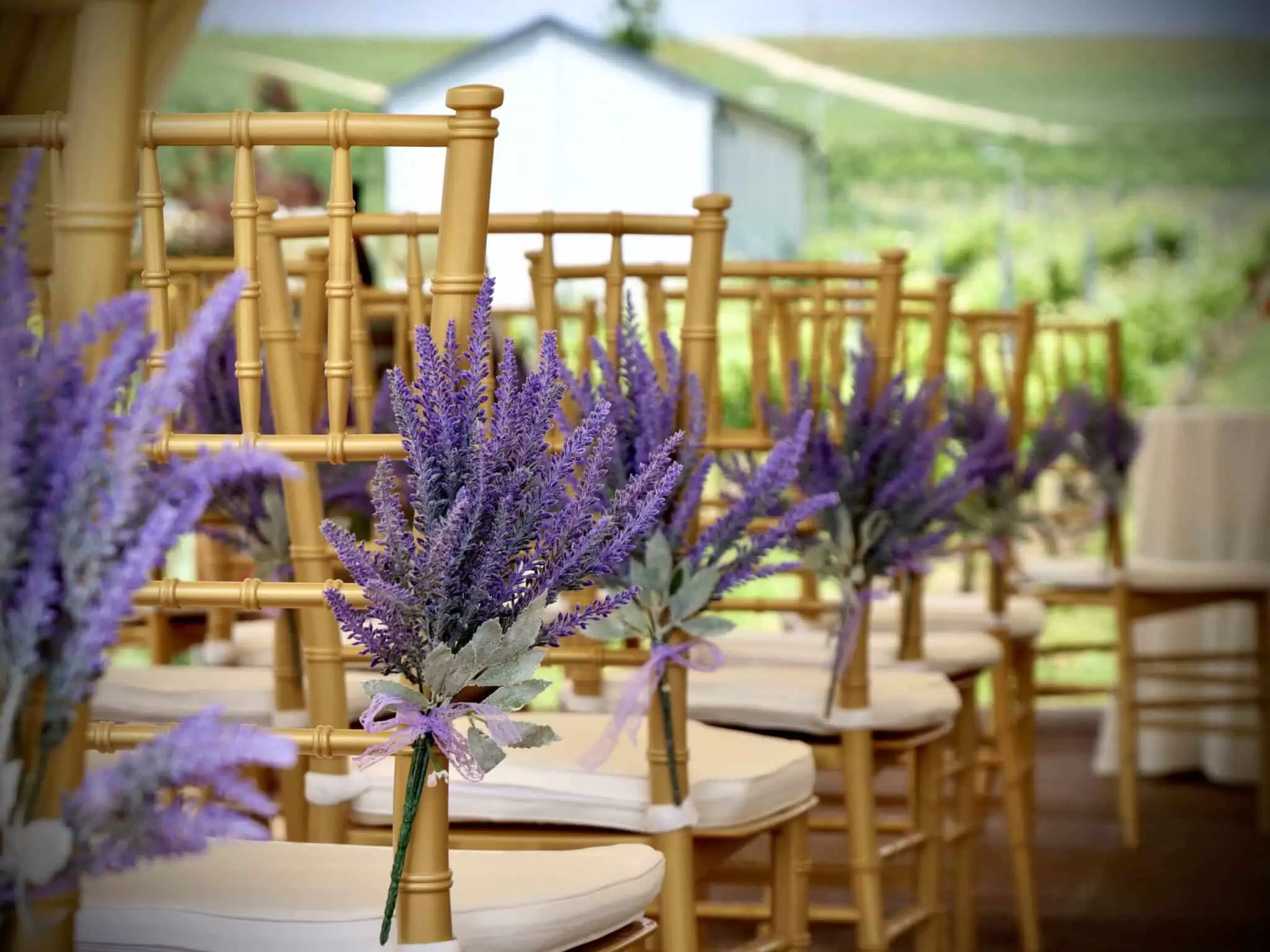
Additionally, Casa Timiș Resort has invested in planting a variety of flowers and perennial plants, with a special focus on lavender. Lavender not only adds visual beauty and a delightful fragrance to the landscape but is also creatively used in the resort’s cuisine.
Lavender is a key ingredient in Casa Timiș’s signature lemonade, exemplifying our commitment to the “farm-to-table” principle and offering guests a unique and memorable culinary experience. Furthermore, all fruits from the orchard are used in breakfast dishes or for making jams, bringing the flavor of nature directly to our guests’ plates.
Through these initiatives, Casa Timiș Resort not only promotes sustainability but also creates an ecological sanctuary—a tranquil oasis of natural beauty. Our efforts to transform and revitalize the entire property demonstrate a strong commitment to both the environment and the community, offering our guests a holistic and authentic experience.
A central element of our commitment to renewable energy is the installation of 288 solar panels, providing a total capacity of 1 megawatt. These panels are essential for meeting the resort’s entire energy needs, reducing reliance on traditional energy sources, and minimizing environmental impact.
In addition to photovoltaic panels, LED bulbs, and generator batteries, Casa Timiș has also implemented a series of light sensors and twilight sensors that significantly contribute to electrical efficiency. These sensors play a crucial role in optimizing energy use.
Light sensors detect ambient light levels and automatically adjust indoor and outdoor lighting to ensure efficient energy use. For example, during the day, when natural light is sufficient, artificial lighting can be reduced or even turned off, thus saving energy. Similarly, twilight sensors activate outdoor lighting as daylight decreases, ensuring appropriate illumination of outdoor spaces after sunset. This improves guest safety and comfort while reducing unnecessary energy consumption during hours with adequate natural light.
This integration of smart technology into our energy system highlights Casa Timiș’s ongoing commitment to sustainability and energy efficiency. By using light and twilight sensors, we not only maximize our energy efficiency but also demonstrate an innovative and responsible approach to resource management, aligning with the latest trends in green technology and sustainable tourism.

As part of our sustainable energy system, we have also implemented an eco-friendly transportation policy within the resort. For guests, employees, and internal logistics, transportation is exclusively handled by electric vehicles.
This initiative underscores our commitment to reducing carbon emissions and promoting a cleaner environment. The electric vehicles are an ideal solution for moving around the resort, offering a quiet, efficient, and non-polluting alternative. They are powered by the energy generated by our solar panels, seamlessly integrating into our renewable energy cycle. Thus, we have created a closed transportation system entirely fueled by renewable sources, reducing dependence on fossil fuels. For guests, these electric vehicles provide a comfortable and eco-friendly way to explore the resort, adding a touch of exclusivity and environmental respect to their stay.
By integrating green technologies and innovative solutions, Casa Timiș not only promotes sustainability but also sets a standard of excellence in the hospitality industry. We are committed to continuing on this path, contributing to environmental protection, and providing our guests with an eco-friendly and memorable experience.
Casa Timiș adopts a proactive and innovative approach to reducing food waste, a crucial aspect of sustainability in the restaurant industry. By carefully planning our menus and changing them twice a year—during spring and fall—we ensure that our restaurants adapt to the seasonal local ingredients available. This strategy not only optimizes resource use but also contributes to more efficient financial management.
At Casa Timiș, we demonstrate a strong commitment to sustainability by predominantly using local products in our kitchens.
This approach reflects our deep awareness of the importance of local and seasonal ingredients in menu creation. By using local products for 50% of our ingredients, we not only support the local economy but also reduce our carbon footprint by shortening supply chains.
This strategy brings multiple benefits: on one hand, we firmly support local farmers and producers by providing a stable market for their products, and on the other hand, we ensure our customers enjoy fresh and high-quality meals.
Through close collaboration with local suppliers, we maintain a high standard of freshness and quality—key aspects for any top restaurant. We ensure that most ingredients, including dairy products, come from local farms and producers, guaranteeing superior freshness and quality.
This approach embodies our philosophy of being in harmony with both the community and the environment.

In addition to these practices, we also adopt a responsible packaging policy, using biodegradable materials. This important step reduces environmental impact and highlights our commitment to lowering our ecological footprint.
For biodegradable waste, we collaborate with specialized companies that transform these scraps into biogas. Biogas can be used for generating electricity and thermal energy, fueling vehicles, or as a raw material in various industries. Through these measures, we not only provide an exceptional culinary experience but also demonstrate a business model that adheres to principles of sustainability and social responsibility.
At Casa Timiș, we demonstrate a deep commitment to educating the next generation of chefs and servers through active collaboration with local specialized schools. Our chefs provide consultancy, sharing knowledge about kitchen workflows, necessary equipment, and advice on suppliers for equipment and ingredients. We supply valuable educational materials and offer students the opportunity to participate in internships ranging from one to three months at our restaurants. Upon completing their internships, trainees can assist with various events we organize, gaining practical experience and opening doors to future employment opportunities.
Additionally, our chefs are actively involved in the community, participating in preparing meals for underprivileged families through various local initiatives. We organize charitable meals and collaborate with local organizations to ensure healthy and tasty food for those in need. Through these efforts, we strive to make a positive impact on the community and promote solidarity and social responsibility.
Artificial freshwater aquatic ecosystems, such as lakes, ponds, and man-made canals, hold significant ecological and social importance. These ecosystems play a crucial role in maintaining biodiversity by providing essential habitats for a variety of aquatic and terrestrial species. By introducing appropriate plants and animals, such as fish and aquatic plants, these systems become centers of life that support food chains and maintain natural balance.
The three artificial lakes on the Casa Timiș property are outstanding examples of harmony and sustainability in landscape design. Each lake is populated with Koi carp, a species renowned for its beauty and ability to enhance any ecosystem. The water surfaces are dotted with water lilies, which not only add an aesthetic touch but also provide habitat for various aquatic species.
Around these lakes, a variety of plants and trees have been carefully selected to create an ecological balance and enhance biodiversity. This vegetation not only offers shelter and food for a wide range of bird and insect species but also helps purify the air and maintain a stable local climate.

In addition to their ecological benefits, these ecosystems also add aesthetic and recreational value. They can serve as spaces for relaxation and recreation, offering people the opportunity to connect with nature. This is particularly important in urban areas, where green and blue spaces are essential for the mental and physical well-being of residents.
In the context of climate change, artificial aquatic ecosystems can also help mitigate its effects by absorbing carbon dioxide and regulating the local microclimate. Furthermore, they can play a role in water resource management by serving as reservoirs for collecting and storing rainwater. The three lakes on the Casa Timiș property are used precisely for this purpose, collecting and storing rainwater for use during the summer months.
In conclusion, artificial freshwater aquatic ecosystems are vital for maintaining biodiversity, purifying water, providing aesthetic and recreational benefits, and combating climate change. They represent a key element in creating sustainable and resilient landscapes, demonstrating a profound commitment to the environment and the community.
The Casa Timiș bungalows represent a standard of excellence in sustainable architecture and energy efficiency. Strategically located on hills, these structures are designed to blend harmoniously with the natural environment. The green roofs of the bungalows, covered with vegetation, provide natural insulation that reduces energy consumption for heating and cooling. They also contribute to creating a vibrant ecosystem for local flora and fauna and improve the surrounding air quality.
The unique design of the bungalows utilizes the natural contours of the land for perfect integration with the landscape, minimizing visual impact and maintaining ecological balance. The green roofs offer habitat for local wildlife and efficient thermal insulation, keeping a consistent temperature throughout the year.
The hilltop location provides natural protection from the elements and stunning panoramic views, creating a serene space amidst nature. The use of natural materials such as wood, stone, and clay, along with the mural painting, enhances the authentic and aesthetic character of the bungalows, having a minimal ecological impact and ensuring a healthy and comfortable indoor environment.

Another innovative feature of these bungalows is the underfloor heating system, which distributes warmth evenly and ensures high thermal comfort with reduced energy consumption. The efficient lighting, exclusively using LED technology, reflects a profound awareness of energy efficiency and minimal environmental impact.
Casa Timiș stands as a paradigmatic example of sustainability in architecture, embodying a perfect harmony between hospitality and respect for nature. Every aspect of the design of these structures has been carefully planned to minimize environmental impact and promote an eco-friendly and energy-efficient lifestyle.
*Pentru întârzierile de peste 20 minute față de ora de începere comunicată, nu putem garanta servirea preparatelor. Meniurile sunt concepute pentru a vă putea garanta calitatea și savoarea preparatelor.
*For delays exceeding 20 minutes from the communicated start time, we cannot guarantee the serving of dishes. Our menus are designed to ensure the quality and flavor of the dishes.
FESTIVE DINNER – NEW YEAR’S EVE
Whispers Behind the Mask
Amuse Bouche
King Crab Salad in Waffle Cones – a refined and flavorful introduction that awakens the senses and opens the evening on an elegant note.
Starter 1
Black Cod Brandade
A delicate reinterpretation of a classic dish, with fine textures and balanced aromas, designed to highlight the authentic taste of the fish.
Starter 2
Foie Gras Panna Cotta with Mulled Wine Jelly and Baby Apple Compote
A harmony between the French refinement of foie gras and the subtle sweetness of mulled wine, completed by the freshness of caramelized apples.
Main Course 1
Dover Sole Fillet with Cauliflower Purée, Prosecco Sauce and Salmon Caviar
A sophisticated creation where the delicacy of the fish fillet meets the smoothness of cauliflower purée and sparkling notes of Prosecco, elevated by the finesse of salmon caviar.
Main Course 2
Filet Mignon with Pecorino, Potato Pavé, Red Wine and Truffle Sauce, Broccolini Sauté
An elegant dish, perfectly balanced between the tenderness of the meat, the rich aroma of truffles, and the creamy texture of Pecorino cheese.
Dessert
Duo Choco Mousse with Sour Cherries and Crème Anglaise
A refined and indulgent finale where silky chocolate mousse intertwines with the delicate acidity of sour cherries and the smoothness of Crème Anglaise.
Drinks
Champagne
Champagne Bellecourt Salmon
Whisky
Glenfiddich 12 YO, Johnnie Walker Black Label, Talisker 10 YO
Vodka
Belvedere, Russian Standard
Aperitif
Campari, Martini Bianco / Rosso, Bumbu Cream, Limoncello, Amaro Montenegro, Jägermeister
Cocktails
Aperol Spritz, Gin Tonic, Hugo, Lavender Gin, Cuba Libre, Passion Spritz, Mango Sparkling
Non-alcoholic Cocktails
Gin Tonic NA, Lavender Tonic, Mango Sparkling
Soft Drinks
Casa Timiș Lemonade, Fresh Orange / Grapefruit Juice, Still Water, Sparkling Water, Coca-Cola Range, Santal Juices
Coffee & Tea
Espresso, Cappuccino, Caffè Latte, Tea Selection
Casa Timiș Wines
Casa Timiș White 2019 – Tămâioasă Românească & Fetească Albă
Casa Timiș Rosé 2023 – Shiraz
Casa Timiș Red 2020 – Cabernet Sauvignon
1,499 Lei / person
Access policy for guests under 18 years old:
Children 0 – 4 years – free of charge
Children 5 – 11 years – 50% discount
Children 12 – 18 years – full price applies
*Se acceptă rezervări pentru minim 4 persoane. Pentru rezervări mai mici de 4 persoane există posibilitatea de a fi așezați la masă cu alte persoane.
*Rezervările se garantează prin plata integrală în avans. Locurile anulate cu mai puțin de 7 zile înainte de data de începere a evenimentului nu se returnează.
*Pentru întârzierile de peste 20 minute față de ora de începere comunicată, nu putem garanta servirea preparatelor. Meniurile sunt concepute pentru a vă putea garanta calitatea și savoarea preparatelor.
Meniu – Cină Festivă Crăciun 2024
Pâine și degustare de unt
Starter
Somon gravlax cu fenicul și sfeclă
Pani puri cu tartar de ton
Foie gras cu sos de merișoare și compot de mere
Salată cu pastramă de rață și dressing de muștar
Main course
Somon cu glazură de miso, soia și ghimbir
Mușchi de vită la cuptor cu sos de vin roșu
Creveți în sos roze cu roșii confiate
Piure cu trufe
Sparanghel soté
Deserts
Mix deserturi Casa Timiș
Drinks
FreeFlow Vin Casa Timiș (Alb, Roșu, Rose)
Vin fiert / Țuică fiartă
Apă minerală plată / carbogazoasă
*Se acceptă rezervări pentru minim 4 persoane. Pentru rezervări mai mici de 4 persoane există posibilitatea de a fi așezați la masă cu alte persoane.
*Rezervările se garantează prin plata integrală în avans. Locurile anulate cu mai puțin de 7 zile înainte de data de începere a evenimentului nu se returnează.
*Pentru întârzierile de peste 20 minute față de ora de începere comunicată, nu putem garanta servirea preparatelor. Meniurile sunt concepute pentru a vă putea garanta calitatea și savoarea preparatelor.
Starters
Traditional delicacies
(Pork rind, ham, mangalița smoked sausages, caltaboș, lebar, tobă, red onion, assorted pickles, mustard)
Egg salad with crayfish
Russian salad
Pork aspic
Homemade bread
Soup
Turkey borscht
Meatball soup
Main course
Traditional sarmale with sour cream and pepper
Roast beef (oven-baked ribeye)
Oven-baked duck glazed with red wine sauce
Red cabbage in red wine sauce
Oven-baked potatoes
Caramelized carrots with cinnamon
Forest mushroom sauce
Green pepper sauce
Polenta with butter
Dessert
Cozonac (traditional sweet bread)
Casa Timiș dessert platter
Drinks
Free-flow Casa Timiș Wine (White, Red, Rosé)
Mulled wine / Hot plum brandy
Tea / Hot chocolate
Still / sparkling water
Price: 590 Lei / person
Access policy for guests under 18:
Children 0 – 4 years – free of charge
Children 5 – 11 years – 50% discount
Children 12 – 18 years – full price
*To-share menu.
*Reservations are accepted for a minimum of 4 persons. For bookings of fewer than 4 persons, guests may be seated at a table with others.
*Reservations are guaranteed by full advance payment. Cancellations made less than 7 days before the event start date are non-refundable.
*The GastroXperience will take place between 13:00–17:00.
*For delays of more than 20 minutes from the communicated start time, we cannot guarantee the serving of dishes. The menus are designed to ensure the quality and flavor of the preparations.
Appetizers
Tri-color jelly
Traditional treats (pork cracklings, Mangalitsa sausages, bean mash with lamb pastrama, lard, pork meatballs, bacon, head cheese, blood sausage, eggplant salad, farm cheeses, red onion, roasted peppers, mustard, horseradish)
Soup
Rooster borscht
Transylvanian soup with smoked meats
Hot peppers and sour cream
Main Course
Grilled pastrama
Glazed pork knuckle with red wine sauce
Traditional stuffed cabbage with sour cream
Fried beans
Polenta
Pickled vegetables
Dessert
Nut roll
Traditional Romanian pastries Casa Timiș
Drinks
FreeFlow Casa Timiș Wine (White, Red, Rosé)
Mulled wine / Boiled plum brandy
Lemonade
Still / Sparkling mineral water
Price 540 Lei/person
Access policy for guests under 18 years old:
Children 0 – 4 years old – Free
Children 5 – 11 years old – 50% discount
Children 12 – 18 years old – Full price
*Special menu to share.
*Reservations are accepted for a minimum of 4 persons. For bookings of fewer than 4 persons, there is the possibility of being seated with other guests.
*Reservations are guaranteed by full payment in advance. Cancellations made less than 7 days before the event start date are non-refundable.
*The GastroXperience will take place between 13:00 and 17:00.
*For delays of more than 20 minutes past the stated start time, we cannot guarantee the service of dishes. The menus are designed to ensure the quality and taste of the dishes.
Un brunch inspirat din bucătăria românească, pregătit pentru a fi împărțit la masă, într-o atmosferă relaxată între vii.
Starter – To Share
Platouri cu gustări tradiționale românești
Plăcinte de casă cu brânză, caș, varză și mere
Prăjitură cu mălai
Main Course – Live Grill & Cooking – To share
Berbec la proțap, gătit lent
Mici mix (vită – oaie – porc) serviți cu muștar
Ceafă de porc
Frigărui din pulpă de pui
Legume la grătar, Cartofi la jar cu unt
Desert
Selecție de dulciuri tradiționale de casă
Drinks
Prosecco
Apă minerală plată / carbogazoasă
Preț 390 lei / persoană
Meniu Brunch
Copiii 0-4 ani – gratuit
Copiii 5-11 ani – 50% reducere
Copiii 12 – 18 ani achită integral
*Pentru întârzierile de peste 20 minute față de ora de începere comunicată, nu putem garanta servirea preparatelor. Meniurile sunt concepute pentru a vă putea garanta calitatea și savoarea preparatelor.
Un brunch inspirat din bucătăria românească, pregătit pentru a fi împărțit la masă, într-o atmosferă relaxată între vii.
Starter – Servit în coșuri de picnic
(1 coș pentru fiecare familie )
Platou antipasto
prosciutto, bresaola, anghinare marinată, roșii confiate, măsline, linguettes
Selecție de brânzeturi
pecorino, parmezan, brânză de capră, brânză cu mucegai, fructe confiate, nuci pecan, sărățele
Platou cu fructe de sezon
Main Course – Live Grill & Cooking – To Share
Frigărui de vită la grătar, Pastramă de miel la grătar
Mini burgeri pregătiți pe grill
Paella cu fructe de mare
Salată mediteraneană de cartofi, Salată coleslaw
Sos de iaurt cu castraveți murați
Desert
Selecție de petit four
Drinks
Prosecco
Apă minerală plată / carbogazoasă
Preț 390 lei / persoană
Meniu Brunch
Copiii 0-4 ani – gratuit
Copiii 5-11 ani – 50% reducere
Copiii 12 – 18 ani achită integral
*Pentru întârzierile de peste 20 minute față de ora de începere comunicată, nu putem garanta servirea preparatelor. Meniurile sunt concepute pentru a vă putea garanta calitatea și savoarea preparatelor.
The package includes:
1 night accommodation with breakfast
Dinner on the evening of check-in – chef choice (starter, main course, dessert).
One bottle of Casa Timiș wine included
4 – 5 hours SPA
Welcome Cocktail
1 facial treatment of 60 minutes / person
1 relaxation massage of 60 minutes / person
A group singing bowls class
GIFT – a SPA cosmetic product for the bride-to-be
Extra benefits:
-10% gift on additional SPA therapies and for à la carte restaurants!
Access to Embrace Holistic Healing SPA (steam sauna with salt diffusion and aromatherapy, dry sauna with Himalayan salt and aromatherapy, ice fountain, infrared therapeutic loungers, relaxation area, fresh corner, fitness room).
Included therapies can be scheduled at the reception of Embrace Holistic Healing Spa or by phone at 0755.000.000
CONDITIONS:
Minimum 4 people, maximum 10 people;
Duration: 4-6 people – 4 hours, 7-10 people – 5 hours – prior booking required for the entire package;
Not allowed for persons under 16 years old;
Offer valid Monday – Friday inclusive. For weekends, rates may change depending on SPA availability.
Accommodation in double room – Mansion
Price 2 persons – 1,590 lei
Accommodation in single room – Mansion
Price 2 persons – 1,990 lei
Accommodation in double suite – Mansion
Price 2 persons – 1,690 lei
Accommodation in single suite – Mansion
Price 2 persons – 2,190 lei
Accommodation in double room – Junior Suite Bungalow
Price 2 persons – 1,890 lei
Accommodation in single room – Junior Suite Bungalow
Price 2 persons – 2,390 lei
The package includes:
4 – 5 hours SPA
Welcome Cocktail
1 facial treatment of 60 minutes / person
1 relaxation massage of 60 minutes / person
A group singing bowls class
GIFT – a SPA cosmetic product for the bride-to-be
Extra benefits:
-10% gift on additional SPA therapies and for à la carte restaurants!
Access to Embrace Holistic Healing SPA (steam sauna with salt diffusion and aromatherapy, dry sauna with Himalayan salt and aromatherapy, ice fountain, infrared therapeutic loungers, relaxation area, fresh corner, fitness room).
Included therapies can be scheduled at the reception of Embrace Holistic Healing Spa or by phone at 0755.000.000
CONDITIONS:
Minimum 4 people, maximum 10 people;
Duration: 4-6 people – 4 hours, 7-10 people – 5 hours – prior booking required for the entire package;
Not allowed for persons under 16 years old;
Offer valid Monday – Friday inclusive. For weekends, rates may change depending on SPA availability.
Group 4 – 6 persons
Price / person – 950 lei
Group 7 – 10 persons
Price / person – 850 lei
Pachet 2 nopți de cazare cu mic dejun inclus
Masaj Garden of Delight Vinotherapy Couple 90 minute(necesită rezervare)
Degustare de Vinuri Triada Gusturilor (necesită rezervare)
Cazare Cameră Dublă Conac
Preț 2 pers. | 2.490 lei
Cazare Suită Conac
Preț 2 pers. | 2.790 lei
Cazare Junior Suite Bungalow
Preț 2 pers. | 3.490 lei
Cazare Apartament Bungalow
Preț 2 pers. | 4.890 lei
EMBRACE HOLISTIC HEALING SPA
Acces inclus
Saună umedă cu aromaterapie și haloterapie, saună uscată cu aromaterapie și sare de Hymalaia, fântână de gheată, șezlonguri terapeutice cu infraroșu, zonă de relaxare, sală de fitness și saună exterioară panoramică.
Fresh corner cu smoothie-uri signature, ceai, apă fructata si healthy snacks.
Terapiile se vor programa la recepția Embrace Holistic Healing Spa sau la telefon 0755.000.000
POLITICA COPII SI EXTRA ADULT:
Prețul pachetului este pentru 2 persoane: copiii cu vârsta până la 5 ani beneficiază de gratuitate, copiii cu vârste cuprinse între 6-11 ani vor achita 50% din prețul unui adult (1/4 din tariful camerei), iar copiii peste 12 ani vor achita prețul integral al unui adult (1/2 din tariful camerei).
Rezervările se achită integral în avans. Pentru anulări cu până la 14 zile înainte de data sosirii nu se percep penalizări, pentru anulări în intervalul 14-7 zile înainte de ziua de check-in, se percepe o penalizare de 50%, pentru anulări cu mai puțin de 7 zile inainte de ziua de check-in se percep penalizări de 100%.
25.12 – 26.12.2025 | Pachetul include
1 Noapte de cazare
Brunch Crăciun / 2 persoane
25 Decembrie 2025
13:00 – 17:00 Brunch de Crăciun | Meniu to share
Muzică Live & Invitat special Fuego
13:00 – 17:00 Activități cu animatori pentru copii (Spațiu amenajat special pentru copii cu supraveghere video)
16:00 Check in
22:30 Foc de tabără cu băuturi calde și gustări tradiționale
26 Decembrie 2025
08:00 – 10:30 Mic dejun
12:00 – Check-out
Cazare Cameră Dublă Conac
Preț 2 persoane – 2.070 lei
Cazare Junior Suite Bungalow
Preț 2 persoane – 2.430 lei
Cazare Apartament Bungalow
Preț 2 persoane – 2.930 lei
EMBRACE HOLISTIC HEALING SPA
Acces inclus
Saună umedă cu aromaterapie și haloterapie, saună uscată cu aromaterapie și sare de Hymalaia, fântână de gheată, șezlonguri terapeutice cu infraroșu, zonă de relaxare, sală de fitness și saună exterioară panoramică.
Fresh corner cu smoothie-uri signature, ceai, apă fructata si healthy snacks.
Terapiile se vor programa la recepția Embrace Holistic Healing Spa sau la telefon 0755.000.000
POLITICA COPII SI EXTRA ADULT:
Prețul pachetului este pentru 2 persoane: copiii cu vârsta până la 5 ani beneficiază de gratuitate, copiii cu vârste cuprinse între 6-11 ani vor achita 50% din prețul unui adult (1/4 din tariful camerei), iar copiii peste 12 ani vor achita prețul integral al unui adult (1/2 din tariful camerei).
Rezervările se achită integral în avans. Pentru anulări cu până la 14 zile înainte de data sosirii nu se percep penalizări, pentru anulări în intervalul 14-7 zile înainte de ziua de check-in, se percepe o penalizare de 50%, pentru anulări cu mai puțin de 7 zile inainte de ziua de check-in se percep penalizări de 100%.
1 night accommodation with half board
Available from Sunday to Thursday, until December 31, 2025 (excluding public holidays).
Day 1
14:00 – Early check-in (subject to availability)
Wine Welcome Ritual in the room
15:00 – 16:00 Guided buggy tour through the resort
3-course dinner (reservation required)
Day 2
08:00 – 10:30 Breakfast
“Seeds of Joy” couple’s massage with wine and grape seed-based products (reservation required)
3-course Food & Wine Pairing dinner (reservation required)
Day 3
08:00 – 10:30 Breakfast
12:00 – Check-out
Casa Timiș Wine Goodie Bag
Accommodation Double Room – Mansion
Price for 2 persons – 3,990 lei
Accommodation Suite – Mansion
Price for 2 persons – 4,490 lei
Accommodation Junior Suite – Bungalow
Price for 2 persons – 4,990 lei
Accommodation Apartment – Bungalow
Price for 2 persons – 6,190 lei
EMBRACE HOLISTIC HEALING SPA
Included access
Wet sauna with aromatherapy and halotherapy, dry sauna with aromatherapy and Himalayan salt, ice fountain, infrared therapeutic loungers, relaxation area, fitness room, and outdoor panoramic sauna.
Fresh corner with signature smoothies, tea, infused water, and healthy snacks.
Therapies can be scheduled at the Embrace Holistic Healing Spa reception or by phone at 0755.000.000
CHILDREN AND EXTRA ADULT POLICY:
The package price is for 2 persons: children up to 5 years old stay free of charge, children aged 6–11 will be charged 50% of the adult price (1/4 of the room rate), and children over 12 years old will be charged the full adult price (1/2 of the room rate).
Reservations must be paid in full in advance.
For cancellations made up to 14 days before the arrival date, no penalty will be charged.
For cancellations made between 14 and 7 days before the check-in date, a 50% penalty will be applied.
For cancellations made less than 7 days before the check-in date, a 100% penalty will be applied.
Media Usage Policy
Resort Casa Timiș reserves the right to use photographs and/or videos taken during events or purchased packages for online promotion on the Casa Timiș website and official social media channels (Facebook, Instagram, TikTok, Pinterest, YouTube, and others), as well as offline, for the purpose of promoting future events. These materials may be used for promotional content, publications, articles, and advertising/marketing purposes.
Photographs and/or videos may also be shared with the media or local press to promote similar events organized by Resort Casa Timiș.
1 night accommodation with half board
Available from Sunday to Thursday, until March 31, 2026 (excluding public holidays).
Day 1
14:00 – Early check-in (subject to availability)
Wine Welcome Ritual in the room
15:00 – 16:00 Guided tour through the resort
“Happiness” couple’s massage – 90 minutes (reservation required)
3-course Food & Wine Pairing dinner (reservation required)
Day 2
08:00 – 10:30 Breakfast
12:00 – Check-out
Casa Timiș Wine Goodie Bag
Accommodation Double Room – Mansion
Price for 2 persons – 1,990 lei
Accommodation Suite – Mansion
Price for 2 persons – 2,590 lei
Accommodation Junior Suite – Bungalow
Price for 2 persons – 2,990 lei
Accommodation Apartment – Bungalow
Price for 2 persons – 4,290 lei
EMBRACE HOLISTIC HEALING SPA
Included access
Wet sauna with aromatherapy and halotherapy, dry sauna with aromatherapy and Himalayan salt, ice fountain, infrared therapeutic loungers, relaxation area, fitness room, and outdoor panoramic sauna.
Fresh corner with signature smoothies, tea, infused water, and healthy snacks.
Therapies can be scheduled at the Embrace Holistic Healing Spa reception or by phone at 0755.000.000
CHILDREN AND EXTRA ADULT POLICY:
The package price is for 2 persons: children up to 5 years old stay free of charge, children aged 6–11 will be charged 50% of the adult price (1/4 of the room rate), and children over 12 years old will be charged the full adult price (1/2 of the room rate).
Reservations must be paid in full in advance.
For cancellations made up to 14 days before the arrival date, no penalty will be charged.
For cancellations made between 14 and 7 days before the check-in date, a 50% penalty will be applied.
For cancellations made less than 7 days before the check-in date, a 100% penalty will be applied.
Media Usage Policy
Resort Casa Timiș reserves the right to use photographs and/or videos taken during events or purchased packages for online promotion on the Casa Timiș website and official social media channels (Facebook, Instagram, TikTok, Pinterest, YouTube, and others), as well as offline, for the purpose of promoting future events. These materials may be used for promotional content, publications, articles, and advertising/marketing purposes.
Photographs and/or videos may also be shared with the media or local press to promote similar events organized by Resort Casa Timiș.
Starter
Phoenix Eggs with pecorino cream, spicy harissa, and duck cracklings
Wine pairing: Casa Timiș White 2015 — Tămâioasă Românească & Fetească Albă
Main Course
Veal ribs slowly cooked in red wine, pumpkin purée with maple syrup, chili & parsley crumble
Wine pairing: Casa Timiș Red 2015 — Cabernet Sauvignon & Fetească Neagră
Dessert
Chocolate Spooky with peanut butter and condensed milk
Wine pairing: Ruby Port
Included: still and sparkling mineral water
The package includes:
November 1, 2025
16:00 – Check-in
19:00 – Halloween Candlelight Concert – “The Phantom of the Opera” / for 2 persons
3-course dinner & Wine Pairing
Each dish is inspired by the emotions and intrigue of the performance.
November 2, 2025
08:00 – 10:30 Breakfast
12:00 – Check-out
Mansion Double Room Accommodation
Price for 2 persons – 2,230 lei
Mansion Suite Accommodation
Price for 2 persons – 2,370 lei
Junior Suite Bungalow Accommodation
Price for 2 persons – 2,490 lei
Bungalow Apartment Accommodation
Price for 2 persons – 3,380 lei
EMBRACE HOLISTIC HEALING SPA
Access included
Aromatherapy and halotherapy steam sauna, aromatherapy and Himalayan salt dry sauna, ice fountain, infrared therapeutic loungers, relaxation area, fitness room, panoramic outdoor sauna.
Fresh corner with signature smoothies, tea, fruit-infused water, and healthy snacks.
For therapies, please book your appointment at the Embrace Holistic Healing Spa reception or call 0755.000.000.
CHILDREN AND EXTRA ADULT ACCOMMODATION POLICY:
The package price is for 2 persons. Children up to 5 years old stay free of charge. Children aged 6–11 will be charged 50% of the adult price (1/4 of the room rate), while children over 12 will be charged the full adult price (1/2 of the room rate).
Reservations must be paid in full in advance. For cancellations made up to 14 days before the arrival date, no penalties apply. For cancellations made between 14 and 7 days before check-in, a 50% penalty will be charged. For cancellations made less than 7 days before check-in, a 100% penalty will be applied.
Resort Casa Timiș reserves the right to use photographs and videos taken during events or purchased packages for online promotion: on the official website and on Casa Timiș’s social media platforms (Facebook, Instagram, TikTok, Pinterest, YouTube, and others), as well as offline, for the purpose of promoting future events. These materials may be used in promotional content, publications, articles, and for advertising or marketing purposes.
Photographs and videos may also be shared with media outlets or the local press to promote similar events organized by Resort Casa Timiș.
05 Octombrie 2025
Pachetul include:
1 noapte de cazare cu mic dejun inclus
12:00 – 16:00 Brunch „Răsfăț și Desfăt” / pentru 2 persoane
Meniu Grill & to share semnat Chef Nico Lontras, plin de inspirație locală și creat cu pasiune din cele mai bune ingrediente de toamnă.
Muzică live cu Arya Band, care va aduce energie, emoție și ritmuri vibrante, transformând ziua într-o sărbătoare de neuitat.
Atelier de construit butoaie de vin, unde artizani locali vă vor arăta cum ia naștere un butoi din lemn de stejar, iar voi veți putea pune mâna și contribui la acest meșteșug autentic.
Experiență în vie și fabricare de must, ghidați de personalul nostru: veți culege struguri, veți descoperi cum se transformă în must și veți pleca acasă cu o sticlă de must proaspăt, amintire gustoasă a zilei petrecute la Casa Timiș.
Degustare de fructe proaspete din livadă, servite în piazzeta amenajată special pentru acest eveniment, pentru a simți din plin aromele toamnei.
Concurs de degustare de vinuri Casa Timiș: participanții aleși prin tragere la sorți vor încerca să recunoască 3 tipuri de vin, iar cei mai pricepuți vor câștiga 3 premii cu vinuri premiate Casa Timiș.
Activități pentru copii cu animatori și face painting, pentru o zi plină de distracție și zâmbete.
Check in ora 16:00
Acces inclus la Embrace Holistic Healing Spa
06 Octombrie 2025
08:00 – 10:30 Mic dejun
Check out ora 12:00
Cazare Cameră Dublă Conac
Preț 2 persoane – 1.590 lei
Cazare Suită Conac
Preț 2 persoane – 1.790 lei
Cazare Junior Suite Bungalow
Preț 2 persoane – 1.990 lei
Cazare Apartament Bungalow
Preț 2 persoane – 2.990 lei
EMBRACE HOLISTIC HEALING SPA
Acces inclus
Saună umedă cu aromaterapie și haloterapie, saună uscată cu aromaterapie și sare de Hymalaia, fântână de gheată, șezlonguri terapeutice cu infraroșu, zonă de relaxare, sală de fitness, saună exterioară panoramică.
Fresh corner cu smoothie-uri signature, ceai, apă fructata si healthy snacks.
Pentru terapii va rugăm sa vă programați la recepția Embrace Holistic Healing Spa sau la telefon 0755.000.000
POLITICA COPII SI EXTRA ADULT CAZARE:
Prețul pachetului este pentru 2 persoane: copiii cu vârsta până la 5 ani beneficiază de gratuitate, copiii cu vârste cuprinse între 6-11 ani vor achita 50% din prețul unui adult (1/4 din tariful camerei), iar copiii peste 12 ani vor achita prețul integral al unui adult (1/2 din tariful camerei).
Rezervările se achită integral în avans. Pentru anulări cu până la 14 zile înainte de data sosirii nu se percep penalizări, pentru anulări în intervalul 14-7 zile înainte de ziua de check-in, se percepe o penalizare de 50%, pentru anulări cu mai puțin de 7 zile inainte de ziua de check-in se percep penalizări de 100%.
*Meniu special to share.
*Se acceptă rezervări pentru minim 4 persoane. Pentru rezervări mai mici de 4 persoane există posibilitatea de a fi așezați la masă cu alte persoane.
*Rezervările se garantează prin plata integrală în avans. Locurile anulate cu mai puțin de 7 zile înainte de data de începere a evenimentului nu se returnează.
*Pentru întârzierile de peste 20 minute față de ora de începere comunicată, nu putem garanta servirea preparatelor. Meniurile sunt concepute pentru a vă putea garanta calitatea și savoarea preparatelor.
*Special to-share menu.
*Reservations are accepted for a minimum of 4 persons. For bookings of fewer than 4 persons, guests may be seated at a table with others.
*Reservations are guaranteed by full advance payment. Cancellations made less than 7 days before the event start date are non-refundable.
*For delays of more than 20 minutes from the communicated start time, we cannot guarantee the serving of dishes. The menus are designed to ensure the quality and flavor of the preparations.
24.12 – 29.12.2025 | Package includes
5 nights’ accommodation with half board
24 December 2025
16:00 Check-in
15:30 – 18:30 Activities for children (Special area for children with video supervision)
18:30 – 20:30 Visit from Santa Claus with gifts for children
19:00 Festive Christmas Eve Dinner
To-share menu
Live music and carol singers
25 December 2025
08:00 – 10:30 Breakfast
13:00 – 17:00 Christmas Brunch | To-share menu
Live music & Special Guest Fuego
13:00 – 17:00 Activities with entertainers for children (Special area for children with video supervision)
22:30 Campfire with hot drinks and traditional snacks
26 December 2025
08:00 – 10:30 Breakfast
11:00 – 13:00 Family Treasure Hunt
16:00 – 20:00 Activities with entertainers for children (Special area for children with video supervision)
19:00 Dinner included in the package, offered as a voucher worth 300 lei/person
27 December 2025
08:00 – 10:30 Breakfast
11:00 – 13:00 Family Escape Room
16:00 – 20:00 Activities with entertainers for children (Special area for children with video supervision)
19:00 Dinner included in the package, offered as a voucher worth 300 lei/person
28 December 2025
08:00 – 10:30 Breakfast
11:00 – 13:00 Visit to the Cow Farm with cheese tasting
16:00 – 20:00 Activities for children (Special area for children with video supervision)
19:00 Dinner included in the package, offered as a voucher worth 300 lei/person
29 December 2025
08:00 – 10:30 Breakfast
12:00 – Check-out
Double Room – Mansion
Price for 2 persons – 9,600 lei 8,640 lei
Suite – Mansion
Price for 2 persons – 10,400 lei 9,360 lei
Junior Suite – Bungalow
Price for 2 persons – 11,350 lei 10,215 lei
Apartment – Bungalow
Price for 2 persons – 14,100 lei 12,690 lei
EMBRACE HOLISTIC HEALING SPA
Access included
Aromatic and salt-infused steam sauna with halotherapy, dry sauna with aromatherapy and Himalayan salt, ice fountain, infrared therapeutic loungers, relaxation area, fitness room, and panoramic outdoor sauna.
Fresh corner with signature smoothies, tea, fruit-infused water, and healthy snacks.
Therapies can be booked at the Embrace Holistic Healing Spa reception or by phone at 0755.000.000
CHILDREN AND EXTRA ADULT POLICY:
The package price is for 2 persons: children up to 5 years old stay free of charge, children aged 6–11 will be charged 50% of the adult price (1/4 of the room rate), and children over 12 years old will be charged the full adult price (1/2 of the room rate).
Reservations must be paid in full in advance.
For cancellations made up to 14 days before the arrival date, no penalty will be charged.
For cancellations made between 14 and 7 days before the check-in date, a 50% penalty will be applied.
For cancellations made less than 7 days before the check-in date, a 100% penalty will be applied.
Media Usage Policy
Resort Casa Timiș reserves the right to use photographs and/or videos taken during events or purchased packages for online promotion on the Casa Timiș website and official social media channels (Facebook, Instagram, TikTok, Pinterest, YouTube, and others), as well as offline, for the purpose of promoting future events. These materials may be used for promotional content, publications, articles, and advertising/marketing purposes.
Photographs and/or videos may also be shared with the media or local press to promote similar events organized by Resort Casa Timiș.
24.12 – 26.12.2025 | Package includes
2 nights’ accommodation with half board
24 December 2025
16:00 Check-in
15:30 – 18:30 Activities for children (Special area for children with video supervision)
18:30 – 20:30 Visit from Santa Claus with gifts for children
19:00 Festive Christmas Eve Dinner
To-share menu
Live music and carol singers
25 December 2025
08:00 – 10:30 Breakfast
13:00 – 17:00 Christmas Brunch | To-share menu
Live music & Special Guest Fuego
13:00 – 17:00 Activities with entertainers for children (Special area for children with video supervision)
22:30 Campfire with hot drinks and traditional snacks
26 December 2025
08:00 – 10:30 Breakfast
12:00 – Check-out
Double Room – Mansion
Price for 2 persons – 5,500 lei 4,950 lei
Suite – Mansion
Price for 2 persons – 5,900 lei 5,310 lei
Junior Suite – Bungalow
Price for 2 persons – 6,300 lei 5,670 lei
Apartment – Bungalow
Price for 2 persons – 7,100 lei 6,390 lei
EMBRACE HOLISTIC HEALING SPA
Access included
Aromatic and salt-infused steam sauna with halotherapy, dry sauna with aromatherapy and Himalayan salt, ice fountain, infrared therapeutic loungers, relaxation area, fitness room, and panoramic outdoor sauna.
Fresh corner with signature smoothies, tea, fruit-infused water, and healthy snacks.
Therapies can be booked at the Embrace Holistic Healing Spa reception or by phone at 0755.000.000
CHILDREN AND EXTRA ADULT POLICY:
The package price is for 2 persons: children up to 5 years old stay free of charge, children aged 6–11 will be charged 50% of the adult price (1/4 of the room rate), and children over 12 years old will be charged the full adult price (1/2 of the room rate).
Reservations must be paid in full in advance.
For cancellations made up to 14 days before the arrival date, no penalty will be charged.
For cancellations made between 14 and 7 days before the check-in date, a 50% penalty will be applied.
For cancellations made less than 7 days before the check-in date, a 100% penalty will be applied.
Media Usage Policy
Resort Casa Timiș reserves the right to use photographs and/or videos taken during events or purchased packages for online promotion on the Casa Timiș website and official social media channels (Facebook, Instagram, TikTok, Pinterest, YouTube, and others), as well as offline, for the purpose of promoting future events. These materials may be used for promotional content, publications, articles, and advertising/marketing purposes.
Photographs and/or videos may also be shared with the media or local press to promote similar events organized by Resort Casa Timiș.
28 September 2025
The package includes:
1 night accommodation with breakfast included
12:00 – 16:00 “Delight & Indulgence” Brunch / for 2 people
Grill & to share menu by Chef Nico Lontras, inspired by our #LifeVineVitality concept to highlight the flavors of autumn.
Live music by Taraful Fane Dumitrache, bringing the unmistakable charm of Romanian taraf bands and turning the brunch into a true celebration of the soul.
Interactive barrel-making workshop, where you will discover the secrets of this craft and work alongside passionate artisans.
Grape harvesting and must-making, an immersion into local winemaking traditions, ending with a bottle of fresh must for each participant.
Piazzetta with fresh fruits from the Casa Timiș orchard, ready to delight your taste buds.
Unique Casa Timiș wine tasting contest, with a raffle among participants and special prizes for those who recognize the most varieties.
Kids’ entertainers, games, and face painting, so the whole family can enjoy a magical day.
Check-in at 16:00
Access included to Embrace Holistic Healing Spa
29 September 2025
08:00 – 10:30 Breakfast
Check-out by 12:00
Accommodation – Mansion Double Room
Price for 2 people – 1,590 lei
Accommodation – Mansion Suite
Price for 2 people – 1,790 lei
Accommodation – Junior Suite Bungalow
Price for 2 people – 1,990 lei
Accommodation – Bungalow Apartment
Price for 2 people – 2,990 lei
EMBRACE HOLISTIC HEALING SPA
Included access
Wet sauna with aromatherapy and halotherapy, dry sauna with aromatherapy and Himalayan salt, ice fountain, therapeutic infrared loungers, relaxation area, fitness room, panoramic outdoor sauna, heated outdoor pool and jacuzzi.
Fresh corner with signature smoothies, tea, fruit water, and healthy snacks.
For therapies, please schedule an appointment at the Embrace Holistic Healing Spa reception or call 0755.000.000
CHILDREN AND EXTRA ADULT ACCOMMODATION POLICY:
The package price is for 2 people:
Children up to 5 years old stay free of charge.
Children aged 6–11 will be charged 50% of the adult rate (equivalent to 1/4 of the room rate).
Children over 12 years old will be charged the full adult rate (equivalent to 1/2 of the room rate).
For Bungalow Apartments:
Children aged 6–11 years pay 1,000 lei extra per stay.
One child over 12 years old or one extra adult pays 2,000 lei extra per stay.
Reservations must be paid in full in advance.
For cancellations made up to 14 days before the arrival date, no penalties will be charged.
For cancellations made between 14 and 7 days before check-in, a 50% penalty will apply.
For cancellations made less than 7 days before check-in, a 100% penalty will apply.
Casa Timiș Resort reserves the right to use photographs and videos taken during events or purchased packages for online promotion: on the official website and Casa Timiș’s social media channels (Facebook, Instagram, TikTok, Pinterest, YouTube, and others), as well as offline, for the purpose of promoting future events. These materials may be used in promotional materials, publications, articles, and for advertising/marketing purposes.
Photographs and videos may also be shared with local media or press to promote similar events organized by Casa Timiș Resort.
01 – 04 May 2025 | Package for 2 persons
3 Nights accommodation with half board
May 1, 2025 Early Check-in (starting at 12:00 PM, subject to availability)
BRUNCH May 1 | 1:00 PM – 5:00 PM
(traditional dishes, craft beer, live music, and children’s entertainers)
Outdoor Video Screening at Casa Timiș Park at 9:00 PM
(Blankets on the grass, popcorn, and soft drinks for all participants)
May 2, 2024
08:00 AM – 10:30 AM Breakfast
Lunch: 3-course menu with a special menu for children
Activities:
Family Treasure Hunt – An interactive adventure for the whole family
Eco Art in Nature – Create artworks from leaves, twigs, stones, and other natural materials, followed by an exhibition of these creations
Bonfire with Live Music for a magical evening in nature
May 3, 2024
08:00 AM – 10:30 AM Breakfast
Interactive Culinary Workshop on the Terrace between the Vines with Chef Nico Lontras and Izabela (pastry chef) – Children will decorate mini-cakes
Cocktail Workshop with juices (non-alcoholic) with Nico Lazar on the Terrace between the Vines
7:00 PM | Festive Dinner (5-course menu) with wine pairing, plus a special menu for children
Disco Night in the Rotunda with DJ and cocktail party for adults & children
May 3, 2024
08:00 AM – 10:30 AM Breakfast
12:00 PM Check-out
Accommodation in Double Mansion Room
Price for 2 persons – 6,990 lei
Accommodation in Mansion Suite
Price for 2 persons – 7,590 lei
Accommodation in Junior Suite Bungalow
Price for 2 persons – 8,990 lei
Accommodation in Bungalow Apartment
Price for 2 persons – 11,190 lei
EMBRACE HOLISTIC HEALING SPA
Included Access
Aromatherapy and halotherapy steam sauna, aromatherapy and Himalayan salt dry sauna, ice fountain, infrared therapeutic loungers, relaxation area, fitness room, panoramic outdoor sauna, heated outdoor pool and jacuzzi (available from March to October).
Fresh corner with signature smoothies, tea, fruit-infused water, and healthy snacks.
Included therapies can be scheduled at the Embrace Holistic Healing Spa reception or by phone at 0755.000.000
CHILDREN AND EXTRA ADULT POLICY:
The package price is for 2 people: children up to 5 years old stay free of charge, children aged 6-11 years will pay 50% of the adult rate (1/4 of the room rate), and children over 12 years old will pay the full adult rate (1/2 of the room rate).
For the bungalow apartment, children aged 6-11 years pay 1000 lei extra/stay, and 1 child over 12 years old or an adult pays 2000 lei extra/stay.
Reservations must be paid in full in advance. For cancellations made up to 14 days before the arrival date, no penalty will be charged. For cancellations made between 14 and 7 days prior to check-in, a 50% penalty applies. For cancellations made less than 7 days before check-in, a 100% penalty applies.
May 1-3, 2025 | The package includes
2 Nights of accommodation with half board
May 1, 2025
Early Check-in (starting at 12:00 PM, subject to availability)
BRUNCH May 1 | 1:00 PM – 5:00 PM
(Traditional dishes, craft beer, live music, and entertainers for children)
Outdoor video screening in Casa Timiș park at 9:00 PM
(Blankets on the grass, popcorn, and soft drinks for all participants)
May 2, 2024
8:00 AM – 10:30 AM Breakfast
3-course lunch menu with a special menu for children
Activities:
Family Treasure Hunt – an interactive adventure for the whole family
Eco Art in Nature – create artworks from leaves, twigs, stones, and other natural materials, followed by an exhibition of these creations
Bonfire with live music for a magical evening in nature
May 3, 2024
8:00 AM – 10:30 AM Breakfast
12:00 PM Check-out
Accommodation Double Room Mansion
Price for 2 persons – 4,990 lei
Accommodation Suite Mansion
Price for 2 persons – 5,590 lei
Accommodation Junior Suite Bungalow
Price for 2 persons – 6,990 lei
Accommodation Apartment Bungalow
Price for 2 persons – 8,990 lei
EMBRACE HOLISTIC HEALING SPA
Included Access
Aromatherapy and halotherapy steam sauna, aromatherapy and Himalayan salt dry sauna, ice fountain, infrared therapeutic loungers, relaxation area, fitness room, panoramic outdoor sauna, heated outdoor pool and jacuzzi (available from March to October).
Fresh corner with signature smoothies, tea, fruit-infused water, and healthy snacks.
Included therapies can be scheduled at the Embrace Holistic Healing Spa reception or by phone at 0755.000.000
CHILDREN AND EXTRA ADULT POLICY:
The package price is for 2 people: children up to 5 years old stay free of charge, children aged 6-11 years will pay 50% of the adult rate (1/4 of the room rate), and children over 12 years old will pay the full adult rate (1/2 of the room rate).
For the bungalow apartment, children aged 6-11 years pay 1000 lei extra/stay, and 1 child over 12 years old or an adult pays 2000 lei extra/stay.
Reservations must be paid in full in advance. For cancellations made up to 14 days before the arrival date, no penalty will be charged. For cancellations made between 14 and 7 days prior to check-in, a 50% penalty applies. For cancellations made less than 7 days before check-in, a 100% penalty applies.
MINDFUL HIKE
09:00 – 10:30 | Breakfast | Rotonda Restaurant
11:00 – 12:30 | SANCTUM | Mindful Hike
Reimagine your connection with yourself, with others, and with nature in a guided journey through serene landscapes and transformative music. Movement and reflection intertwine harmoniously, each step inspiring introspection and reconnection, culminating in a spectacular finish that brings energy and inspiration.
13:00 – 15:00 | New Horizons Brunch | Event Venue
After a morning of exploration and reconnection, this brunch will be a moment to celebrate the impressive memories created together during these days.
16:00 | Check Out
Please adhere to the schedule of activities, as the program is designed to provide a balanced and smooth experience, allowing each moment to reveal its own impact and renewing energy.
THE LAW OF ATTRACTION
08:00 – 09:30 | SANCTUM – The Law of Attraction |
Event Venue Movement + Meditation + Sound Healing
A cathartic experience of conscious movement designed to empower the body and expand the mind. An experience that challenges our physical, emotional, and mental limits, discovering clarity and creativity in an energizing atmosphere.
09:30 – 11:00 | Breakfast | Rotonda Restaurant
12:00 – 13:00 | Flow Yoga
All classes and therapies require prior booking. Reservations will be available at the reception on the check-in day.
14:00 – 15:30 | Lunch – “Table of Intentions” | Veranda Restaurant
16:00 – 19:00 | SPA Program: Massages & Therapies
Indulgence. Reconnection. Relaxation.
Each therapy is a joy for the soul, a chance to release stress and allow the body to regenerate in a profound way. All these experiences are a gift given with love, for you to fully enjoy this journey of reconnection. All classes and therapies require prior booking. Reservations will be available at the reception on the check-in day.
20:00 | WHITE PARTY for New Beginnings
EVENT VENUE | LIVE MUSIC SURPRISES | SPECIAL WHITE EVENING EXPERIENCE
Be ready for a memorable evening full of surprises!
We end the day with a SPECTACULAR PARTY dedicated to new beginnings. White, the symbol of a new beginning, will enhance and refine every detail – from attire to decor to menu. Every detail – from decor to menu – reflects the purity and creativity that underpin new perspectives.
Dress Code: ELEGANT ALL WHITE
We suggest you also bring a pair of comfortable backup shoes – a long night full of SURPRISES, rhythm, and energy awaits us, in the light of new beginnings.
Please adhere to the schedule of activities, as the program is designed to provide a balanced and smooth experience, allowing each moment to reveal its own impact and renewing energy.
THE POWER OF LETTING GO
Be ready for a day full of activities.
08:00 – 10:00 | Breakfast | Rotonda Restaurant
11:30 – 13:00 | Yoga & Singing Bowls, Zumba, Stretching Classes
We release and renew energy through movement. These classes are designed to reconnect us with the body, mind, and spirit and regain our vitality. You can choose whichever option suits you best. Class reservations can be made at the reception on the check-in day.
SPA Program: Massages & Therapies
Indulgence. Reconnection. Relaxation.
Each therapy is a joy for the soul, a chance to release stress and allow the body to regenerate in a profound way. All these experiences are a gift given with love, so you can fully enjoy this journey of reconnection. All classes and therapies require prior booking. Reservations will be available at the reception on the check-in day.
14:00 – 15:30 | Lunch “Release & Renew” | Veranda Restaurant.
16:00 – 17:30 | Body Art & Stretching
All Group Class | Event Venue
Through conscious and fluid movement, we will release accumulated tensions and create space for new energy. This class is designed to improve flexibility, posture, and balance, offering us a deep reconnection with the body, mind, and spirit.
18:00 – 19:00 | Fire Ritual – “Sanctum Sunset Special”
A ritual honoring new beginnings. Under the starry sky, the fire becomes a symbol of release and inner transformation.
20:00 | Dinner “Let Go & Indulge” | Veranda Restaurant | DJ Entertainment
Please adhere to the schedule of activities, as the program is designed to provide a balanced and smooth experience, allowing each moment to reveal its own impact and renewing energy.
WELCOME TO NEW BEGINNINGS
16:00 | Check-In & Welcome Drink
We enter a space of reconnection, where every detail prepares you for a transformative journey. Enjoy a moment of tranquility and immerse yourself in the Casa Timiș universe.
19:00 | Welcome Party – “Ready for the Journey”
Dinner – Dance – Live Music & Pure Joy | Rotonda Restaurant
An evening where we will meet and enjoy the experience we are beginning together. The energy of joy will be our host in a vibrant night with live music and surprises. A night of celebration, connection, and authentic joy.
Dress Code: Welcome Party “Ready for the Journey”
Since we are in for intense days, we suggest a cool, casual, and comfortable outfit for the first evening – jeans, a white t-shirt, a white shirt, or anything else you prefer in white, flats, sneakers, or anything comfortable for you. A relaxed outfit, perfect for starting a journey full of activities and discoveries.
Amuse Bouche
Pecorino cream with truffles and tomato jelly
Starter
Saint Jacques with lobster sauce and cauliflower
Main Course
Beef medallion with foie gras, sweet potato puree, broccolini, and red wine blackberry sauce
Dessert
Chocolate trio with raspberry sorbetto
A menu specially created to celebrate women and their uniqueness.
07.03 – 09.03.2025 | Adults Only
The package includes:
2 Nights Accommodation with Breakfast
Relaxation Massage
07.03.2025
16:00 Check-In
08.03.2025
19:00 Whispers of Spring | Rotonda Restaurant
3 Course Menu
Live Concert Pepe
Welcome drink: Signature Cocktail
Free Flow Prosecco
09.03.2025
08:00 – 10:30 Breakfast
12:00 Check-Out
Accommodation Double Room Mansion
Price for 2 people – 3,690 RON
Accommodation Suite Mansion
Price for 2 people – 3,990 RON
Accommodation Junior Suite Bungalow
Price for 2 people – 4,290 RON
Accommodation Apartment Bungalow
Price for 2 people – 7,990 RON
EMBRACE HOLISTIC HEALING SPA
Access Included
Aromatherapy and halotherapy steam sauna, aromatherapy and Himalayan salt dry sauna, ice fountain, therapeutic infrared loungers, relaxation area, fitness room, panoramic outdoor sauna.
Fresh corner with signature smoothies, tea, fruit-infused water, and healthy snacks.
For therapies, please book at the Embrace Holistic Healing Spa reception or call 0755.000.000
<p>Reservations are paid in full in advance. For cancellations up to 14 days before the arrival date, no penalties apply. For cancellations made between 14 and 7 days before the check-in date, a 50% penalty will be charged. For cancellations made less than 7 days before the check-in date, a 100% penalty will be charged.</p>
08.03 – 09.03.2025 | Adults Only
The package includes:
1 Night Accommodation with Breakfast
08.03.2025
16:00 Check-In
19:00 Whispers of Spring | Rotonda Restaurant
3 Course Menu
Live Concert Pepe
Welcome drink: Signature Cocktail
Free Flow Prosecco
09.03.2025
08:00 – 10:30 Breakfast
12:00 Check-Out
Accommodation Double Room Mansion
Price for 2 people – 2,490 RON
Accommodation Suite Mansion
Price for 2 people – 2,790 RON
Accommodation Junior Suite Bungalow
Price for 2 people – 2,990 RON
Accommodation Apartment Bungalow
Price for 2 people – 4,990 RON
EMBRACE HOLISTIC HEALING SPA
Access Included
Aromatherapy and halotherapy steam sauna, aromatherapy and Himalayan salt dry sauna, ice fountain, therapeutic infrared loungers, relaxation area, fitness room, panoramic outdoor sauna.
Fresh corner with signature smoothies, tea, fruit-infused water, and healthy snacks.
For therapies, please book at the Embrace Holistic Healing Spa reception or call 0755.000.000
Reservations are paid in full in advance. For cancellations up to 14 days before the arrival date, no penalties apply. For cancellations made between 14 and 7 days before the check-in date, a 50% penalty will be charged. For cancellations made less than 7 days before the check-in date, a 100% penalty will be charged.
Meniu special.
*Rezervările se garantează prin plata integrală în avans. Locurile anulate cu mai puțin de 7 zile înainte de data de începere a evenimentului nu se returnează.
*GastroXperiența se va desfășura începând cu orele 19:00.
*Pentru întârzierile de peste 20 minute față de ora de începere comunicată, nu putem garanta servirea preparatelor. Meniurile sunt concepute pentru a vă putea garanta calitatea și savoarea preparatelor.
Meniu special.
*Rezervările se garantează prin plata integrală în avans. Locurile anulate cu mai puțin de 7 zile înainte de data de începere a evenimentului nu se returnează.
*GastroXperiența se va desfășura începând cu orele 19:00.
*Pentru întârzierile de peste 20 minute față de ora de începere comunicată, nu putem garanta servirea preparatelor. Meniurile sunt concepute pentru a vă putea garanta calitatea și savoarea preparatelor.
14.02 – 16.02.2025 | Adults Only
The package includes: 2 Nights’ accommodation with breakfast Couple’s Happiness Massage
14.02.2025 16:00 Check-In 19:00 Wine&Dine Dinner | Rotonda Restaurant 5-Course Menu & Wine Pairing Live Music | Andrei Bănuță & Band Welcome drink: Signature Cocktail
15.02.2025 08:00 – 10:30 Breakfast in the room (special menu) 19:00 Wine Tasting
16.02.2025 08:00 – 10:30 Breakfast at Rotonda Restaurant 12:00 Check-Out
Accommodation Double Room Mansion
Price for 2 people – 3,690 lei
Accommodation Suite Mansion
Price for 2 people – 3,990 lei
Accommodation Junior Suite Bungalow
Price for 2 people – 4,290 lei
Accommodation Apartment Bungalow
Price for 2 people – 7,990 lei
EMBRACE HOLISTIC HEALING SPA
Included Access
Wet sauna with aromatherapy and halotherapy, dry sauna with aromatherapy and Himalayan salt, ice fountain, therapeutic infrared loungers, relaxation area, fitness room, panoramic outdoor sauna.
Fresh corner with signature smoothies, tea, infused water, and healthy snacks.
For therapies, please book at the Embrace Holistic Healing Spa reception or call 0755.000.000.
Reservations must be paid in full in advance. For cancellations made up to 14 days before the arrival date, no penalties will apply. For cancellations made between 14 and 7 days prior to the check-in date, a penalty of 50% will be charged. For cancellations made less than 7 days before the check-in date, a penalty of 100% will be charged.
14.02 – 15.02.2025 | Adults Only
The package includes:
1 Night accommodation with breakfast
14.02.2025
16:00 Check-In
19:00 Dinner Wine&Dine | Restaurant Rotonda
5-Course Menu & Wine Pairing
Live Music | Andrei Banuta & Band
Welcome drink: Signature Cocktail
15.02.2025
08:00 – 10:30 Breakfast in the room (special menu)
12:00 Check-Out
Double Room Manor Accommodation
Price for 2 people – 2,490 lei
Suite Manor Accommodation
Price for 2 people – 2,790 lei
Junior Suite Bungalow Accommodation
Price for 2 people – 2,990 lei
Apartment Bungalow Accommodation
Price for 2 people – 4,990 lei
EMBRACE HOLISTIC HEALING SPA
Included Access
Wet sauna with aromatherapy and halotherapy, dry sauna with aromatherapy and Himalayan salt, ice fountain, therapeutic infrared loungers, relaxation area, fitness room, panoramic outdoor sauna.
Fresh corner with signature smoothies, tea, infused water, and healthy snacks.
For therapies, please book at the Embrace Holistic Healing Spa reception or call 0755.000.000.
Reservations must be paid in full in advance. For cancellations made up to 14 days before the arrival date, no penalties will apply. For cancellations made between 14 and 7 days prior to the check-in date, a penalty of 50% will be charged. For cancellations made less than 7 days before the check-in date, a penalty of 100% will be charged.
Amuse Bouche
Fresh oysters
Fine muffin with truffle-infused butter
Prosecco
Starter
Foie gras terrine accompanied by green apple and mint salsa
Casa Timiș White Wine 2019 – Tămâioasă Românească and Fetească Albă
Main Course I
Patagonian Sea Bass fillet
Celery puree, fine ratatouille, and delicate lemon sauce
Casa Timiș Rosé 2022 – Cabernet Sauvignon
Main Course II
Beef tenderloin medallion with truffle sauce
Sautéed asparagus and crispy pavé potatoes
Casa Timiș Red Wine 2014 – Cabernet Sauvignon and Fetească Neagră
Dessert
Bouchées d’Amour wrapped in decadent chocolate sauce
Tawny Porto Wine
A menu specially created to celebrate love and the senses.
Cu o experiență de 7 ani în domeniul terapiilor emoționale, Dana ajută oamenii să-și conștientizeze și gestioneze emoțiile care stau la baza bolilor și durerilor fizice precum fricile, anxietățile, panica, tristețea, să-și corecteze sau îmblânzească tipare comportamentale precum nerăbdarea, timiditatea, hiperactivitatea, ADHD-ul prin combinații de remedii florale și/sau ședințe de Access Bars.
Terapia Access Bars și procesele de corp pe care Dana le integrează cu succes în sesiunile sale, este o metodă energetică revoluționară, care contribuie la eliberarea blocajelor mentale și emoționale. Prin aplicarea ușoară a presiunii pe punctele energetice de pe cap, Access Bars facilitează o stare profundă de relaxare și claritate, oferind celor cu care interacționează în cabinet instrumente puternice și valoroase pentru transformare interioară.
Prin combinarea Terapiei Florale Bach, care ajută la identificarea emoțiilor subtile și a potențării virtuților oponente cu Access Bars, care susține eliberarea mentală și deblocarea domeniilor de viață corespondente, Dana creează o experiență unică și completă pentru oaspeții săi. Fiecare sesiune devine o călătorie de redescoperire și echilibrare, ajutându-i pe cei care o întâlnesc să găsească soluții armonioase pentru provocările vieții și să-și recâștige încrederea și liniștea interioară.
Empatia, dedicarea și darul ei de a înțelege complexitatea sufletelor umane fac din Dana Săvoiu un adevărat sprijin și ghid al vindecării emoționale și armonizării energetice. Indiferent de dificultățile cu care te confrunți, Dana te poate însoți pe drumul către un nou început, mai luminos și mai echilibrat.
Hipnoterapie, Specializare Relații Interpersonale - AEHM, IPLRTA
Consiliere, Specializare Relații Interpersonale - AEHM, IPLRTA
Curs Access Bars, Recertificare
Curs Munay ki – Energetic Medicine
Curs Reiki
Curs Access Foundation
Curs Exponentializarea a 90% creier
Curs Atracție magnetică – Proces de corp
Curs Fitoterapie
Curs Instructor ThetaHealing, nivel bază și avansat
Curs Feminitate
Curs Nutriție, Dieta potrivită pentru tine
Curs Depășirea Dependențelor
Curs Dependența emoțională
Curs Access the Bars
Curs Terapia Florala Bach
Curs Feng Shui – Modul 1 și 2
Curs de Fizionomie a feței – Modul 1 și 2
Curs Life Coaching NLP – Modulul 1-9
Master Administrație Publică și Integrare Europeană
De-a lungul carierei sale, Widhi a ocupat poziții de conducere și a adus contribuții semnificative în cadrul unor locații prestigioase precum MSC America Cruise (terapeut spa), LUX Grand Gaube Mauritius (terapeut principal), Lux South Ari Atoll Maldives (manager spa) și Marinat Jumeirah Dubai (terapeut principal). În prezent, Widhi își aduce întreaga expertiză la Casa Timiș Wellness & Spa Resort, unde oferă oaspeților o abordare holistică și rafinată a bunăstării, fiind apreciată în mod special pentru priceperea sa excepțională în tratamentele faciale.
Widhi este certificată de Indonesian Tourism Professional Certification Board ca terapeut spa și a absolvit Bali International School Academy ca specialist în terapii de înfrumusețare. De asemenea, a obținut certificări internaționale importante, inclusiv titlul de Sodashi Pearl Tree Brand Champion din Londra, Leadership Foundation Jumeirah Group din Dubai și o diplomă în Spa Management de la Raidon d’Eter Hotel Spa Management Sweden. În plus, este certificată de John Maxwell Team America în cadrul programului de leadership și studiu Master Mind.
Cu o pasiune profundă pentru arta vindecării și un angajament neclintit pentru a oferi oaspeților experiențe de neuitat, Widhi este recunoscută ca fiind una dintre cele mai bune specialiste în tratamente faciale, transformând fiecare sesiune într-un moment de relaxare supremă, aducând echilibru, armonie și rafinament la Casa Timiș Wellness & Spa Resort.
-Certified Spa therapist from Indonesian Tourism Profession Certification Board
-Certified for Beauty Spa Therapist of SPA Bali International School Academy
-Certified from the Jhon Maxwell Team - America Training on master mind study program
-Certified for leadership foundation Jumeirah Group Dubai UAE
-Certified for advance trainer and brand champion Sodashi Pearl Tree London
-Diploma RAISON D ETRE SPA Management Sweden
Kadek a acumulat experiență lucrând în resorturi de lux din Bali, unde a perfecționat tehnici tradiționale și moderne de terapie, ajutând oaspeții să atingă o stare profundă de relaxare și revitalizare. În 2019, a ales să se mute din Bali în România pentru a-și extinde orizonturile profesionale, iar acum face parte din echipa Casa Timiș Wellness & Spa Resort, aducând toată expertiza și pasiunea sa pentru a sprijini oaspeții în călătoria lor spre echilibru și bunăstare.
Certificată de Indonesian Tourism Professional Certification Board și Bali Spa Training Centre, Kadek și-a extins cunoștințele și abilitățile prin formări internaționale la Vinoble Nature Training Austria și Gaia Organic Training United Kingdom. Cu un spectru larg de tehnici terapeutice și o abordare dedicată, Kadek creează o atmosferă liniștitoare, oferind fiecărui oaspete o experiență personalizată, relaxantă și regeneratoare.
-Graduated from Senior High School Negeri 1 Pupuan Bali
-Certified as Spa Therapist from Indonesian Tourism Profesion Certification Board
-Certified for Beauty Spa Therapist from Bali Spa Training Centre Bali - Indonesia
-Certofied from Vinoble Nature Training Austria - EU
-Certified from Gaia Organic Training - United Kingdom - UK
Mary Joy este specializată în diverse tipuri de tratamente spa, inclusiv terapii corporale, masaje, tratamente faciale și reflexoterapie. Abordarea sa profesionistă și atenția la nevoile fiecărui oaspete asigură o experiență personalizată și memorabilă. Ea pune un accent deosebit pe menținerea echipamentelor la cele mai înalte standarde și pe gestionarea eficientă a produselor spa, contribuind astfel la o experiență impecabilă pentru fiecare vizitator.
Cu o certificare obținută de la Technical Education and Skills Development Authority (TESDA) din Filipine în masaj terapeutic și reflexologie, Mary Joy a continuat să se specializeze la nivel internațional. Este certificată de Thalgo France La Beauté Marine, Vinoble Nature Training Austria și Gaia Organic Training United Kingdom, aducând la Casa Timiș expertiza acumulată din renumitele școli de wellness.
Misiunea lui Mary Joy este de a crea o atmosferă relaxantă și de a oferi fiecărui oaspete o experiență unică și plină de rafinament, îmbinând tehnici tradiționale cu cele mai recente inovații din domeniul wellness.
Expert în ozonoterapie, autohemoterapie majoră, biorezonanță și chiropractică viscerală, el tratează o gamă largă de afecțiuni, de la tulburări de imunitate și afecțiuni cronice la disfuncții emoționale și dezechilibre metabolice. Dr. Pascu se remarcă prin capacitatea sa de a crea soluții personalizate, adaptate fiecărei persoane, integrând terapii naturale și proceduri avansate pentru a restabili echilibrul profund. La Embrace Holistic Healing Spa, fiecare sesiune devine un ritual de vindecare, în care abordarea sa holistică inspiră încredere și oferă o cale de transformare reală către sănătate și vitalitate.
2023 - Oxigen-ozono terapie
Atestat „Ozonoterapia în practica medicală”
2019 - Oxigen-ozono terapie
Curs Studii Complementare
2018 - Acupunctura japoneză / coreeană
Energo-informațională în 5-6 energii
2017 - Dry Needling | Gradul II
2016 - YUMEIHO | Gradul III - terapeut
Metodă tradițională japoneză
2015 - Chiropractica Viscerală
Metodă tradițională rusă, gradul II - terapeut
Tehnica Gua Sha
Metodă tradițională chinezească
Terapie cu miere
Terapie cu ventuze (Vacuum Terapie)
Terapia cu vibrații profunde
Masaj terapeutic al sânului
2015 - Instructor sportiv arte marțiale
AIKIDO, centură neagră 2 dan
1995 - Ecografia pacientului (cu diabet dializat)
Curs de Ecografie Generală | Spitalul Clinic de Boli de Nutriție „Dr. Ioan Cantacuzino”
1992-1995 - Rezidențiat Medicină de Familie I.M.F. București
1991-1992 - Stagiu Spitalul Clinic de Obstetrică și Ginecologie „Dr. Panait Sârbu”
1985-1991 - Facultatea de Medicină București, Secția Medicină Generală
1980-1984 - Liceul de Matematică și Fizică nr. 1 „Alexandru Odobescu”
1972-1980 - Școala Generală nr. 2, clasele I-VIII
2019-prezent - Director Medical Medicină Integrativă
2014-prezent - Medic terapeut, terapii complementare / alternative și ozonoterapie
1995-2010 - Activități antreprenoriale, manageriale, organizaționale, de consultanță și mediere
1992-1995 - Rezidențiat Medicină de Familie I.M.F. București
1991-1992 - Stagiu Spitalul Clinic de Obstetrică și Ginecologie „Dr. Panait Sârbu”
1982-1984 - Stagiu I.R.N.E., specialitatea Operator Tehnici și Tehnologii Nucleare
Ca terapeut spa, Suman abordează fiecare oaspete într-o manieră holistică, concentrându-se pe starea fizică, emoțională, socială și spirituală. El folosește o varietate de tehnici, de la meditație și mindfulness, până la arte expresive precum dansul și muzica, oferind o experiență integrată de vindecare. Terapia craniosacrală, una dintre specializările sale, este recunoscută pentru capacitatea sa de a ameliora durerile și tensiunile atât fizice, cât și emoționale, fiind potrivită pentru persoane de toate vârstele.
Suman este, de asemenea, un maestru în terapia cu boluri tibetane (Singing Bowls), folosind sunetul și vibrațiile acestora pentru a induce relaxarea profundă și a restabili armonia energetică. Certificat de organizații internaționale prestigioase, precum Gaia Organic Training (Marea Britanie) și Vinoble Natural Training (Austria), Suman deține multiple certificări internaționale, inclusiv în terapia craniosacrală, anatomie și fiziologie, Ayurveda și Yoga. Este certificat în terapia cu boluri tibetane de la organizații de prestigiu și a fost recunoscut pentru expertiza sa în acest domeniu. În 2022, a obținut premii importante la Campionatul European de Masaj din Franța, fiind clasat în top 10 pentru masajul asiatic și premiat cu Pim Choy Award.
La Embrace Holistic Healing Spa, Suman oferă oaspeților o abordare holistică unică, ghidându-i către o stare profundă de relaxare și echilibru interior.
Cu peste 18 ani de experiență în domeniul wellness-ului și expertiză internațională, Pradeep este unul dintre terapeuții de top de la Embrace Holistic Healing Spa. Originar din India, Pradeep și-a construit cariera lucrând în resorturi de lux din Maldive, India și Dubai, aducând la Casa Timiș Wellness & Spa Resort o profundă cunoaștere atât în tehnicile tradiționale, cât și în practicile moderne.
Ca instructor de yoga certificat, cu peste 7 ani de formare avansată, Pradeep este specializat în Ashtanga și Vinyasa Yoga. Practica Ashtanga este o metodă tradițională ce implică mișcări dinamice și respirație controlată, oferind un echilibru ideal între forță și flexibilitate. Vinyasa Yoga, cunoscută pentru fluiditatea mișcărilor, îmbină posturile într-o secvență armonioasă, sincronizată cu respirația, creând o experiență meditativă și revitalizantă.
Certificat de organizații de renume precum Gaia Organic Trainings (Marea Britanie), Vinoble Natural Training (Austria) și Pevonia International, Pradeep este un specialist complet în terapii faciale și tratamente de frumusețe. De asemenea, a absolvit programul de Beauty Spa Therapy la Serena Spa Institute, aducând o abordare holistică fiecărui tratament.
Cu o dedicare profundă față de starea de bine a fiecărui oaspete, Pradeep creează sesiuni personalizate menite să restabilească armonia între corp, minte și suflet, oferind fiecărui oaspete o experiență transformatoare, într-un cadru de lux autentic.
30.11 – 01.12.2025
The package includes:
1 night of accommodation with breakfast included
For 2 persons
November 30th, 2025
16:00 Check-in
17:00 – 20:00 Access Included Embrace Holistic Healing Spa
17:00 – 21:00 Play area
Mini billiards, table tennis, fussball, inflatable slide, coloring books, and board games (specially arranged space for children with video surveillance).
December 1st, 2025
08:00 – 10:30 Breakfast
12:00 – Check-out
13:00 – 17:00 December 1st Brunch
Menu to share
Live music | Taraf Ionel Tudorache
Bread Workshop at Țest
Activities with entertainers for children
Play area – mini billiards, table tennis, fussball, inflatable slide, coloring books, and board games (specially arranged space for children with video surveillance).
Accommodation Double Room Mansion
Price for 2 persons – 2,150 lei
Accommodation Mansion Suite
Price for 2 persons – 2,450 lei
Accommodation Junior Suite Bungalow
Price for 2 persons – 2,690 lei
Accommodation Bungalow Apartment
Price for 2 persons – 4,300 lei
EMBRACE HOLISTIC HEALING SPA
Access Included
Wet sauna with aromatherapy and halotherapy, dry sauna with aromatherapy and Himalayan salt, ice fountain, therapeutic infrared lounge chairs, relaxation area, fitness room, and panoramic outdoor sauna.
Fresh corner with signature smoothies, tea, flavored water, and healthy snacks.
The included therapies can be scheduled at the reception of Embrace Holistic Healing Spa or by phone at 0755.000.000
Children and Extra Adult Policy:
The package price is for 2 persons:
Children up to 5 years old benefit from free access.
Children aged 6-11 years will pay 50% of the adult price (1/4 of the room rate).
Children over 12 years old will pay the full adult price (1/2 of the room rate).
Cancellation Policy:
Reservations must be paid in full in advance.
Cancellations made up to 14 days before the check-in date will incur no penalty.
Cancellations made between 14 and 7 days before the check-in date will incur a 50% penalty.
Cancellations made less than 7 days before the check-in date will incur a 100% penalty.
Photograph and Video Usage Policy:
Casa Timiș Resort reserves the right to use photographs/videos taken during events or purchased packages for online promotion, including on the website and on social media platforms associated with Casa Timiș (Facebook, Instagram, TikTok, Pinterest, YouTube, and others), as well as offline for promoting future events. These materials may be used for promotional materials, publications, articles, and advertising/marketing purposes.
Photographs/videos may be shared with media outlets or local press for the promotion of similar events organized by Casa Timiș Resort.
*Meniu special.
*Se acceptă rezervări pentru minim 4 persoane. Pentru rezervări mai mici de 4 persoane există posibilitatea de a fi așezați la masă cu alte persoane.
*Rezervările se garantează prin plata integrală în avans. Locurile anulate cu mai puțin de 7 zile înainte de data de începere a evenimentului nu se returnează.
*GastroXperiența se va desfășura între orele 18:00-22:00.
*Pentru întârzierile de peste 20 minute față de ora de începere comunicată, nu putem garanta servirea preparatelor. Meniurile sunt concepute pentru a vă putea garanta calitatea și savoarea preparatelor.
06 Octombrie 2024
Pachetul include:
1 noapte de cazare cu mic dejun inclus
Check in ora 16:00
18:00 Gala Gastronomiei și Vinului Românesc
Meniu surpriză 5 courses by Executive Chef Nico Lontras
Pairing cu vinuri premiate internațional Casa Timiș
Muzica Live
Acces inclus la Embrace Holistic Healing Spa
07.10.2023
08:30 – 10:00 Mic Dejun
Check-out ora 12
Cazare Cameră Dublă Conac
Preț 2 persoane – 1.490 lei
Cazare Suită Conac
Preț 2 persoane – 1.790 lei
Cazare Junior Suite Bungalow
Preț 2 persoane – 1.990 lei
Cazare Apartament Bungalow
Preț 2 persoane – 3.990 lei
EMBRACE HOLISTIC HEALING SPA
Acces inclus
Saună umedă cu aromaterapie și haloterapie, saună uscată cu aromaterapie și sare de Hymalaia, fântână de gheată, șezlonguri terapeutice cu infraroșu, zonă de relaxare, sală de fitness, saună exterioară panoramică, piscină și jacuzzi exterioare încălzite.
Fresh corner cu smoothie-uri signature, ceai, apă fructata si healthy snacks.
Pentru terapii va rugăm sa vă programați la recepția Embrace Holistic Healing Spa sau la telefon 0755.000.000
POLITICA COPII SI EXTRA ADULT:
Prețul pachetului este pentru 2 persoane: copiii cu vârsta până la 5 ani beneficiază de gratuitate, copiii cu vârste cuprinse între 6-11 ani vor achita 50% din prețul unui adult (1/4 din tariful camerei), iar copiii peste 12 ani vor achita prețul integral al unui adult (1/2 din tariful camerei).
La apartament bungalow, copii intre 6 – 11 ani achita 1000 lei extra/sejur, 1 copil peste 12 ani sau adult, achita 2000 lei extra/sejur. extra/sejur.
Rezervările se achită integral în avans. Pentru anulări cu până la 14 zile înainte de data sosirii nu se percep penalizări, pentru anulări în intervalul 14-7 zile înainte de ziua de check-in, se percepe o penalizare de 50%, pentru anulări cu mai puțin de 7 zile inainte de ziua de check-in se percep penalizări de 100%.
Tarife / persoană
Perioada: 30 Septembrie – 2 Octombrie
Women only
Cameră single Conac – 4 750 lei
Cameră single Junior suite bungalow – 4 950 lei
Cameră dublă Conac – 4 250 lei
Cameră dublă Junior suite bungalow – 4 450 lei
Alegeti răsfățul, confortul și eleganța atemporală, de la camere primitoare la suite spațioase, toate create meticulos pentru relaxare si stare de bine.
Condiții: în cazul în care nu se va atinge numărul minim de 20 persoane, va fi necesar să reprogramăm acest eveniment pentru o altă perioadă.
Savurează Toamna, Trăiește Eleganța
1 noapte de cazare cu mic dejun
Early Check in 12.00 în limita disponibilității
1 Degustare de vinuri / Atelier de cupajare
1 Picnic în vie / Cină
Late Check out 14.00
Cazare Cameră Dublă Conac
Preț 2 persoane – lei
Cazare Suită Conac
Preț 2 persoane – lei
Pachet disponibil de Duminică până Vineri (Inclusiv)
POLITICA COPII SI EXTRA ADULT:
Prețul pachetului este pentru 2 persoane: copiii cu vârsta până la 5 ani beneficiază de gratuitate, copiii cu vârste cuprinse între 6-11 ani vor achita 50% din prețul unui adult (1/4 din tariful camerei), iar copiii peste 12 ani vor achita prețul integral al unui adult (1/2 din tariful camerei). La apartament bungalow, un copil pana la 12 ani este inclus in tarif, al doilea copil 3-12 ani – 1500 lei extra/sejur, 1 copil peste 12 ani sau adult – 2000 lei extra/sejur.
Rezervările se achită integral în avans. Pentru anulări cu până la 14 zile înainte de data sosirii nu se percep penalizări, pentru anulări în intervalul 14-7 zile înainte de ziua de check-in, se percepe o penalizare de 50%, pentru anulări cu mai puțin de 7 zile inainte de ziua de check-in se percep penalizări de 100%.
2 night Group Experience – max 8 pers. – gentlemen only
2 nopți de cazare cu mic dejun
1 Degustare Cognac & Cigars pairing în english bar
1 Majestic Truffle Dinner food&wine pairing By Chef Nico
Vânătoare de trufe
Cazare Cameră Dublă Conac
Preț 2 persoane – 4.700 lei
Cazare Suită Conac
Preț 2 persoane – 4.900 lei
Pachet disponibil de Duminică până Vineri (Inclusiv)
POLITICA COPII SI EXTRA ADULT:
Prețul pachetului este pentru 2 persoane: copiii cu vârsta până la 5 ani beneficiază de gratuitate, copiii cu vârste cuprinse între 6-11 ani vor achita 50% din prețul unui adult (1/4 din tariful camerei), iar copiii peste 12 ani vor achita prețul integral al unui adult (1/2 din tariful camerei). La apartament bungalow, un copil pana la 12 ani este inclus in tarif, al doilea copil 3-12 ani – 1500 lei extra/sejur, 1 copil peste 12 ani sau adult – 2000 lei extra/sejur.
Rezervările se achită integral în avans. Pentru anulări cu până la 14 zile înainte de data sosirii nu se percep penalizări, pentru anulări în intervalul 14-7 zile înainte de ziua de check-in, se percepe o penalizare de 50%, pentru anulări cu mai puțin de 7 zile inainte de ziua de check-in se percep penalizări de 100%.
1 night Romantic getaway
1 noapte de cazare cu mic dejun
Pachet Spa Terapii & Ritualuri cu vin
Cină Food & Wine Pairing By Chef Nico Lontras
Tur ghidat al podgoriilor Casa Timiș
Early Check in 12.00
Cazare Cameră Dublă Conac
Preț 2 persoane – 2.700 lei
Cazare Suită Conac
Preț 2 persoane – 2.900 lei
Cazare Junior Suite Bungalow
Preț 2 persoane – 3.300 lei
Cazare Apartament Bungalow
Preț 2 persoane – 5.400 lei
Pachet disponibil de Duminică până Vineri (Inclusiv)
POLITICA COPII SI EXTRA ADULT:
Prețul pachetului este pentru 2 persoane: copiii cu vârsta până la 5 ani beneficiază de gratuitate, copiii cu vârste cuprinse între 6-11 ani vor achita 50% din prețul unui adult (1/4 din tariful camerei), iar copiii peste 12 ani vor achita prețul integral al unui adult (1/2 din tariful camerei). La apartament bungalow, un copil pana la 12 ani este inclus in tarif, al doilea copil 3-12 ani – 1500 lei extra/sejur, 1 copil peste 12 ani sau adult – 2000 lei extra/sejur.
Rezervările se achită integral în avans. Pentru anulări cu până la 14 zile înainte de data sosirii nu se percep penalizări, pentru anulări în intervalul 14-7 zile înainte de ziua de check-in, se percepe o penalizare de 50%, pentru anulări cu mai puțin de 7 zile inainte de ziua de check-in se percep penalizări de 100%.
1 night Romantic getaway
1 noapte de cazare cu mic dejun în Conac
1 masaj de cuplu
1 cină romantică
Decor romantic
Cazare Cameră Dublă Conac
Preț 2 persoane – 2.750 lei
Cazare Suită Conac
Preț 2 persoane – 2.950 lei
Pachet disponibil de Duminică până Vineri (Inclusiv)
POLITICA COPII SI EXTRA ADULT:
Prețul pachetului este pentru 2 persoane: copiii cu vârsta până la 5 ani beneficiază de gratuitate, copiii cu vârste cuprinse între 6-11 ani vor achita 50% din prețul unui adult (1/4 din tariful camerei), iar copiii peste 12 ani vor achita prețul integral al unui adult (1/2 din tariful camerei). La apartament bungalow, un copil pana la 12 ani este inclus in tarif, al doilea copil 3-12 ani – 1500 lei extra/sejur, 1 copil peste 12 ani sau adult – 2000 lei extra/sejur.
Rezervările se achită integral în avans. Pentru anulări cu până la 14 zile înainte de data sosirii nu se percep penalizări, pentru anulări în intervalul 14-7 zile înainte de ziua de check-in, se percepe o penalizare de 50%, pentru anulări cu mai puțin de 7 zile inainte de ziua de check-in se percep penalizări de 100%.
Starter
Pâine cu unt și trufe
Bunătăți cu tradiție
(slăninuță, cârnați de mangaliță, brânză de burduf, ceapă roșie, castraveți, ridichi, roșii)
Salată de roșii cu pesto de leuștean, telemea de oaie și semințe de dovleac
Pate de curcan cu jeleu din vin roșu și struguri
Salată de vinete cu roșii cherry
Fasole bătută cu trufe, jumări de porc și ceapă murată
Main Course
Pastramă de berbecuț la grătar
Ceafă de mangaliță la grătar
Midii cu sos de roșii proaspete de grădină și usturoi
Cartofii Casei Timiș
Mămăliguță
Salată de varză
Desert
Prăjitură cu brânză de vaci cu salsa de struguri și înghețată de vin
Drinks
FreeFlow Vin Casa Timiș (Alb, Roșu, Rose)
Must din struguri proaspăt culeși
Apă minerală plată/carbogazoasă
Preț 480 lei / persoană
Meniu Brunch
Politica de acces pentru oaspeții sub 18 ani:
Copiii 0 – 4 ani – gratuit
Copiii 5 – 11 ani – 50% reducere
Copiii 12 – 18 ani achită integral
*Pentru întârzierile de peste 20 minute față de ora de începere comunicată, nu putem garanta servirea preparatelor. Meniurile sunt concepute pentru a vă putea garanta calitatea și savoarea preparatelor.
Premii incitante vă așteaptă:
Marele Premiu: Sejur gratuit de Crăciun – Banii înapoi pentru sejurul de Crăciun
Voucher cu 50% discount pentru cazare până la 31.01.2025
Cină Valentine’s Day pentru doi
Cină 3 Course Menu, Chefs Choice
50% discount la toate terapiile SPA până la 31.01.2025
Voucher pentru produse Skincare SPA – 50% discount până la 31.01.2025
Degustare de vin pentru 2 persoane
Degustare de coniac pentru 2 persoane
3 seturi de Vin Casa Timiș (6 sticle/set)
Premii pentru toți copiii participanți la Treasure Hunt
1 sticlă de Vin Casa Timiș pentru toți participanții
Price: 890 Lei / 2 people
Refined Culinary Experience:
Caviar & Blini
Fresh Fruit Platter
Fine Cheese Platter
2x Salmon Wraps
Chocolate Pralines
Selected Beverages:
1 Bottle of Moët Champagne / 375 ml
1 Bottle of Still/Sparkling Mineral Water 750 ml
Discover the elegance of a luxury picnic in a charming natural setting and indulge in the delights offered by Casa Timiș.
Price: 490 Lei / 2 people
Refined Culinary Experience:
Fresh fruit platter
Fine cheese platter
Homemade cookies and biscuits
Macarons
2x Salmon wraps
Select Beverages:
1 bottle of Casa Timiș wine (choice of red, rosé, or white) / 750 ml
1 bottle of still or sparkling mineral water / 750 ml
Enjoy a unique culinary escape amidst nature, in an elegant and relaxing setting provided by Casa Timiș.
28.12.2024 – 02.01.2025 | Pachetul include
5 Nopți de cazare cu mic dejun
Voucher Masaj facial & Masaj de relaxare valabil până la 31.01.2025
28 Decembrie 2024
16.00 Check-in
29 Decembrie 2024
Activități cu animatori pentru copii (Spațiu amenajat special pentru copii cu supraveghere video)
18.00 Degustare de vin
18.00 Activități pentru copii
30 Decembrie 2024
Activități cu animatori pentru copii (Spațiu amenajat special pentru copii cu supraveghere video)
19.00 Cină Jeans Country Party | Muzică live
Meniu to share
31 Decembrie 2024
Activități cu animatori pentru copii (Spațiu amenajat special pentru copii cu supraveghere video)
12.00 – 19.00 Gentleman’s Cigar Club | 1925 English Bar
20:00 Cină Festivă Revelion
Living la Vida Loca | Latino Party Night
Muzică live
01 Ianuarie 2025
10.00 – 14.00 Late Breakfast & Colindători
Activități cu animatori pentru copii (Spațiu amenajat special pentru copii cu supraveghere video)
18.00 – Romanian Party & Karaoke
Meniu to share | Muzică live
02 Ianuarie 2025
08.00 – 10.30 Mic dejun
12.00 Check-out
Cazare Cameră Dublă Conac
Preț 2 persoane – 15.900 lei
Cazare Suită Conac
Preț 2 persoane – 16.500 lei
Cazare Junior Suite Bungalow
Preț 2 persoane – 18.300 lei
Cazare Apartament Bungalow
Preț 2 persoane – 28.800 lei
EMBRACE HOLISTIC HEALING SPA
Acces inclus
Reducere de 30% la orice terapie, pentru rezervările făcute până la data de 23.12.2024.
Saună umedă cu aromaterapie și haloterapie, saună uscată cu aromaterapie și sare de Hymalaia, fântână de gheată, șezlonguri terapeutice cu infraroșu, zonă de relaxare, sală de fitness, saună exterioară panoramică, piscină și jacuzzi exterioare încălzite(disponibile din martie până în octombrie).
Fresh corner cu smoothie-uri signature, ceai, apă fructata si healthy snacks.
Terapiile incluse se vor programa la recepția Embrace Holistic Healing Spa sau la telefon 0755.000.000
POLITICA COPII SI EXTRA ADULT:
Prețul pachetului este pentru 2 persoane: copiii cu vârsta până la 5 ani beneficiază de gratuitate, copiii cu vârste cuprinse între 6-11 ani vor achita 50% din prețul unui adult (1/4 din tariful camerei), iar copiii peste 12 ani vor achita prețul integral al unui adult (1/2 din tariful camerei).
La apartament bungalow, copii intre 6 – 11 ani achita 1000 lei extra/sejur, 1 copil peste 12 ani sau adult, achita 2000 lei extra/sejur.
Rezervările se achită integral în avans. Pentru anulări cu până la 14 zile înainte de data sosirii nu se percep penalizări, pentru anulări în intervalul 14-7 zile înainte de ziua de check-in, se percepe o penalizare de 50%, pentru anulări cu mai puțin de 7 zile inainte de ziua de check-in se percep penalizări de 100%.
30.12 – 02.01.2026 | Package includes
3 nights of accommodation with half board
30 December 2025
16:00 – Check-in
19:00 – Dinner Rhythm & Glow Party | DJ
Sharing menu
Dress code: Elegant glam, with sequins / sparkling accessories.
31 December 2025
08:00 – 10:30 Breakfast
Activities with entertainers for children (Special area arranged for kids with video supervision)
10:00 – 20:00 Complimentary access to Embrace Holistic Healing Spa
19:30 Festive New Year’s Eve Dinner
Whispers Behind the Mask | Masquerade Ball
Urban Band | Live Music
Dress code: Black tie / elegant gowns + mask.
01 January 2026
09:00 – 14:00 Late Breakfast & Carol Singers
Activities with entertainers for children (Special area arranged for kids with video supervision)
10:00 – 20:00 Complimentary access to Embrace Holistic Healing Spa
19:00 – La Dolce Vita Dinner | Sharing menu
Aria Band | Live Music
Dress code: Chic & relaxed – elegance with a touch of dolce vita.
22:00 Bonfire with hot drinks
02 January 2026
08:00 – 10:30 Breakfast
12:00 – Check-out
Accommodation Double Room – Mansion
Price 2 persons – 9,900 lei 8,910 lei
Accommodation Suite – Mansion
Price 2 persons – 10,900 lei 9,810 lei
Accommodation Junior Suite Bungalow
Price 2 persons – 12,800 lei 11,520 lei
Accommodation Apartment Bungalow
Price 2 persons – 17,900 lei 16,110 lei
EMBRACE HOLISTIC HEALING SPA
Complimentary Access
Aroma and salt steam sauna, dry sauna with aromatherapy and Himalayan salt, ice fountain, infrared therapeutic loungers, relaxation area, fitness room, and panoramic outdoor sauna.
Fresh corner with signature smoothies, tea, infused water, and healthy snacks.
Therapies can be scheduled at the reception of Embrace Holistic Healing Spa or by phone at 0755.000.000
CHILDREN AND EXTRA ADULT POLICY:
The package price is valid for 2 persons: children up to 5 years old stay free of charge, children between 6–11 years old will be charged 50% of the adult price (1/4 of the room rate), and children over 12 years old will be charged the full adult price (1/2 of the room rate).
Reservations must be paid in full in advance.
For cancellations made up to 14 days prior to the arrival date, no penalties will be applied.
For cancellations made between 14–7 days before check-in, a 50% penalty will be charged.
For cancellations made less than 7 days before check-in, a 100% penalty will be charged.
Resort Casa Timiș reserves the right to use photos and videos taken during events or purchased packages for online promotion: on the Casa Timiș website and associated social media channels (Facebook, Instagram, TikTok, Pinterest, YouTube, and others), as well as offline, for the purpose of promoting future events. These materials may be used in promotional content, publications, articles, and for advertising/marketing purposes.
Photos and videos may also be shared with media outlets or local press to promote similar events organized by Resort Casa Timiș.
*Meniu special.
*Se acceptă rezervări pentru minim 4 persoane. Pentru rezervări mai mici de 4 persoane există posibilitatea de a fi așezați la masă cu alte persoane.
*Rezervările se garantează prin plata integrală în avans. Locurile anulate cu mai puțin de 7 zile înainte de data de începere a evenimentului nu se returnează.
*GastroXperiența se va desfășura între orele 20:00-04:00.
*Pentru întârzierile de peste 20 minute față de ora de începere comunicată, nu putem garanta servirea preparatelor. Meniurile sunt concepute pentru a vă putea garanta calitatea și savoarea preparatelor.
*Special to-share menu.
*Reservations are accepted for a minimum of 4 persons. For bookings of fewer than 4 persons, guests may be seated at a table with others.
*Reservations are guaranteed by full advance payment. Cancellations made less than 7 days before the event start date are non-refundable.
*The GastroXperience will take place between 13:00–17:00.
*For delays of more than 20 minutes from the communicated start time, we cannot guarantee the serving of dishes. The menus are designed to ensure the quality and flavor of the preparations.
24.12 – 27.12.2025 | Package includes
3 nights’ accommodation with half board
24 December 2025
16:00 Check-in
15:30 – 18:30 Activities for children (Special area for children with video supervision)
18:30 – 20:30 Visit from Santa Claus with gifts for children
19:00 Festive Christmas Eve Dinner
To-share menu
Live music and carol singers
25 December 2025
08:00 – 10:30 Breakfast
13:00 – 17:00 Christmas Brunch | To-share menu
Live music & Special Guest Fuego
13:00 – 17:00 Activities with entertainers for children (Special area for children with video supervision)
22:30 Campfire with hot drinks and traditional snacks
26 December 2025
08:00 – 10:30 Breakfast
11:00 – 13:00 Family Treasure Hunt
16:00 – 20:00 Activities with entertainers for children (Special area for children with video supervision)
19:00 Dinner included in the package, offered as a voucher worth 300 lei/person
27 December 2025
08:00 – 10:30 Breakfast
12:00 – Check-out
Double Room – Mansion
Price for 2 persons – 6,900 lei 6,210 lei
Suite – Mansion
Price for 2 persons – 7,500 lei 6,750 lei
Junior Suite – Bungalow
Price for 2 persons – 8,150 lei 7,335 lei
Apartment – Bungalow
Price for 2 persons – 9,700 lei 8,730 lei
EMBRACE HOLISTIC HEALING SPA
Access included
Aromatic and salt-infused steam sauna with halotherapy, dry sauna with aromatherapy and Himalayan salt, ice fountain, infrared therapeutic loungers, relaxation area, fitness room, and panoramic outdoor sauna.
Fresh corner with signature smoothies, tea, fruit-infused water, and healthy snacks.
Therapies can be booked at the Embrace Holistic Healing Spa reception or by phone at 0755.000.000
CHILDREN AND EXTRA ADULT POLICY:
The package price is for 2 persons: children up to 5 years old stay free of charge, children aged 6–11 will be charged 50% of the adult price (1/4 of the room rate), and children over 12 years old will be charged the full adult price (1/2 of the room rate).
Reservations must be paid in full in advance.
For cancellations made up to 14 days before the arrival date, no penalty will be charged.
For cancellations made between 14 and 7 days before the check-in date, a 50% penalty will be applied.
For cancellations made less than 7 days before the check-in date, a 100% penalty will be applied.
Media Usage Policy
Resort Casa Timiș reserves the right to use photographs and/or videos taken during events or purchased packages for online promotion on the Casa Timiș website and official social media channels (Facebook, Instagram, TikTok, Pinterest, YouTube, and others), as well as offline, for the purpose of promoting future events. These materials may be used for promotional content, publications, articles, and advertising/marketing purposes.
Photographs and/or videos may also be shared with the media or local press to promote similar events organized by Resort Casa Timiș.
Yoga & Singing Bowls
3 sessions per month | 60 minutes
Relaxation Massages
3 sessions per month | 60 minutes
List Price: 1800 Lei
1-month subscription – 10% discount
2-month subscription – 20% discount
3-month subscription – 30% discount
Happiness Massage Subscription
4 sessions per month | 60 minutes
List Price: 1600 Lei
1-month subscription – 10% discount
2-month subscription – 20% discount
3-month subscription – 30% discount
Ozone Therapy Major Autohemotherapy
Free consultation
5 sessions | 1 week – 10% Discount
10 sessions | 2 weeks – 20% Discount
Therapies can be scheduled at the reception of Embrace Holistic Healing Spa or by phone at 0755.000.000
29.11 – 01.12.2025 | The package includes
2 nights accommodation with breakfast included
For 2 persons
November 29th, 2025
16:00 Check-in
17:00 – 19:00 Welcome drink & snacks – 1925 English Bar
16:00 – 20:00 Access Included Embrace Holistic Healing Spa
17:00 – 21:00 Play area
Mini billiards, table tennis, fussball, inflatable slide, coloring books, and board games (specially arranged space for children with video surveillance).
21:00 Bonfire
With folk music, hot drinks, and traditional snacks
November 30th, 2025
08:00 – 10:30 Breakfast
13:00 Saint Andrew’s Day Lunch
3-course menu & Wine Tasting
10:00 – 20:00 Access Included Embrace Holistic Healing Spa
12:00 – 21:00 Play area
Mini billiards, table tennis, fussball, inflatable slide, coloring books, and board games (specially arranged space for children with video surveillance).
December 1st, 2025
08:00 – 10:30 Breakfast
12:00 – Check-out
13:00 – 17:00 December 1st Brunch
Menu to share
Live music | Taraf Ionel Tudorache
Bread Workshop at Țest
Activities with entertainers for children
Play area – mini billiards, table tennis, fussball, inflatable slide, coloring books, and board games (specially arranged space for children, with video surveillance).
Accommodation Double Room Mansion
Price for 2 persons – 3,250 lei 2,925 lei
Accommodation Mansion Suite
Price for 2 persons – 3,750 lei 3,375 lei
Accommodation Junior Suite Bungalow
Price for 2 persons – 4,250 lei 3,825 lei
Accommodation Bungalow Apartment
Price for 2 persons – 6,650 lei 5,985 lei
EMBRACE HOLISTIC HEALING SPA
Access Included
Wet sauna with aromatherapy and halotherapy, dry sauna with aromatherapy and Himalayan salt, ice fountain, therapeutic infrared lounge chairs, relaxation area, fitness room, and panoramic outdoor sauna.
Fresh corner with signature smoothies, tea, flavored water, and healthy snacks.
The included therapies can be scheduled at the reception of Embrace Holistic Healing Spa or by phone at 0755.000.000
Children and Extra Adult Policy:
The package price is for 2 persons:
Children up to 5 years old benefit from free access.
Children aged 6-11 years will pay 50% of the adult price (1/4 of the room rate).
Children over 12 years old will pay the full adult price (1/2 of the room rate).
Cancellation Policy:
Reservations must be paid in full in advance.
Cancellations made up to 14 days before the check-in date will incur no penalty.
Cancellations made between 14 and 7 days before the check-in date will incur a 50% penalty.
Cancellations made less than 7 days before the check-in date will incur a 100% penalty.
Photograph and Video Usage Policy:
Casa Timiș Resort reserves the right to use photographs/videos taken during events or purchased packages for online promotion, including on the website and on social media platforms associated with Casa Timiș (Facebook, Instagram, TikTok, Pinterest, YouTube, and others), as well as offline for promoting future events. These materials may be used for promotional materials, publications, articles, and advertising/marketing purposes.
Photographs/videos may be shared with media outlets or local press for the promotion of similar events organized by Casa Timiș Resort.
*Meniu special to share.
*Se acceptă rezervări pentru minim 4 persoane. Pentru rezervări mai mici de 4 persoane există posibilitatea de a fi așezați la masă cu alte persoane.
*Rezervările se garantează prin plata integrală în avans. Locurile anulate cu mai puțin de 7 zile înainte de data de începere a evenimentului nu se returnează.
*GastroXperiența se va desfășura între orele 13:00-17:00.
*Pentru întârzierile de peste 20 minute față de ora de începere comunicată, nu putem garanta servirea preparatelor. Meniurile sunt concepute pentru a vă putea garanta calitatea și savoarea preparatelor.
Accommodation Double Room Mansion
Price for 2 persons – 1.490 lei
Accommodation Suite Mansion
Price for 2 persons – 1.790 lei
Accommodation Junior Suite Bungalow
Price for 2 persons – 1.990 lei
Accommodation Apartment Bungalow
Price for 2 persons – 3.990 lei
Starter
French bread cu unt (Franzelă franțuzească cu unt)
Stridii
Terină de foie gras cu compot de smochine
St Jaques cu piure de conopidă și pistou
Rillettes de vită
Salată Nicoise
Escargouts de Bourgogne (Melci în sos de unt cu usturoi și pătrunjel)
Supe
French onion soup (Supă de ceapă) Bouillabaisse (Supă de pește)
Fel Principal
Coq au vin (Cocoșel în sos de vin)
Moules mariniere cu pâine prăjită (Scoici cu sos de vin alb)
Biban de mare cu sos de unt și capere
Antricot cu sos piper verde
Cartofi dauphinoise cu trufe
Ratatouille
Desert
Choux ăla crème cu fistic
Tartă de lămâie
Chocolate Royal – Trianon
Drinks
Free Flow Champagne
Apă minerala plată / carbogazoasă
Preț 420 lei / persoană
Meniu Brunch
Copiii 0-3 ani – gratuit
Copiii 3-12 ani – 50% reducere
Copiii peste 12 ani achită integral
*Pentru întârzierile de peste 20 minute față de ora de începere comunicată, nu putem garanta servirea preparatelor. Meniurile sunt concepute pentru a vă putea garanta calitatea și savoarea preparatelor.
21 September 2025
The package includes:
1 night of accommodation with breakfast included
12:00 – 16:00 “Delight & Indulgence” Brunch / for 2 people
Grill & To-Share Menu by Chef Nico Lontras, full of local inspiration and crafted with passion from the finest autumn ingredients.
Live music by the George Vasile Orchestra, bringing traditional rhythms to life and turning the day into a true Romanian celebration.
Wine Barrel-Making Workshop, where local artisans will show you how an oak barrel is born, and you’ll get hands-on with this authentic craft.
Vineyard Experience & Fresh Must-Making, guided by our team: you’ll harvest grapes, see how they’re turned into must, and take home a bottle of fresh must — a tasty memory from your day at Casa Timiș.
Fresh Orchard Fruit Tasting, served in the specially designed piazzetta, to fully enjoy the flavors of autumn.
Casa Timiș Wine Tasting Contest: participants selected by raffle will try to identify 3 types of wine, and the most skilled will win 3 prizes featuring award-winning Casa Timiș wines.
Children’s activities with entertainers and face painting, for a day full of fun and smiles.
Check in at 16:00
Included access to Embrace Holistic Healing Spa
22 September 2025
08:00 – 10:30 Breakfast
Check out at 12:00
Accommodation – Mansion Double Room
Price for 2 people – 1,590 lei
Accommodation – Mansion Suite
Price for 2 people – 1,790 lei
Accommodation – Junior Suite Bungalow
Price for 2 people – 1,990 lei
Accommodation – Bungalow Apartment
Price for 2 people – 2,990 lei
EMBRACE HOLISTIC HEALING SPA
Included access
Wet sauna with aromatherapy and halotherapy, dry sauna with aromatherapy and Himalayan salt, ice fountain, therapeutic infrared loungers, relaxation area, fitness room, panoramic outdoor sauna, heated outdoor pool and jacuzzi.
Fresh corner with signature smoothies, tea, fruit water, and healthy snacks.
For therapies, please schedule an appointment at the Embrace Holistic Healing Spa reception or call 0755.000.000
CHILDREN AND EXTRA ADULT ACCOMMODATION POLICY:
The package price is for 2 people:
Children up to 5 years old stay free of charge.
Children aged 6–11 will be charged 50% of the adult rate (equivalent to 1/4 of the room rate).
Children over 12 years old will be charged the full adult rate (equivalent to 1/2 of the room rate).
For Bungalow Apartments:
Children aged 6–11 years pay 1,000 lei extra per stay.
One child over 12 years old or one extra adult pays 2,000 lei extra per stay.
Reservations must be paid in full in advance.
For cancellations made up to 14 days before the arrival date, no penalties will be charged.
For cancellations made between 14 and 7 days before check-in, a 50% penalty will apply.
For cancellations made less than 7 days before check-in, a 100% penalty will apply.
Casa Timiș Resort reserves the right to use photographs and videos taken during events or purchased packages for online promotion: on the official website and Casa Timiș’s social media channels (Facebook, Instagram, TikTok, Pinterest, YouTube, and others), as well as offline, for the purpose of promoting future events. These materials may be used in promotional materials, publications, articles, and for advertising/marketing purposes.
Photographs and videos may also be shared with local media or press to promote similar events organized by Casa Timiș Resort.
Starter
Halloumi with pomegranate
Saganaki with shrimp
Hummus with lamb pastrami
Baby calamari
Melitzanosalata – Eggplant salad
Taramasalata – Fish roe salad
Horiatiki – Greek salad
Tzatziki
Dolmades – Stuffed vine leaves
Mixed olives
Pita
Soups
Chicken soup with lemon
Lentil soup
Main Course
Chicken souvlaki
Lamb chops with pomegranate
Grilled sea bream with sun-dried tomato salsa
Grilled octopus with lemon and oregano
Oregano-roasted potatoes
Orzo with vegetables
Green salad
Dessert
Portokalopita
Ekmek
Yogurt tart
Drinks
Ouzo Welcome drink
Free Flow Casa Timiș House Wine
Still / Sparkling Mineral Water
Price: 420 lei per person
Brunch Menu
Children 0-3 years old – free of charge
Children 3-12 years old – 50% discount
Children over 12 years old pay full price
*For delays exceeding 20 minutes from the communicated start time, we cannot guarantee the service of dishes. The menus are designed to ensure the quality and flavor of the dishes.
November 10-11, 2024 | Package includes
1 night accommodation with breakfast
November 10, 2024
13:00 – 17:00 Turkish Flavors Brunch
Shared Brunch
Live Music
Free Flow Tea & Coffee
Check-in at 17:00
Access included to Embrace Holistic Healing Spa
November 11, 2024
Breakfast
Check-out at 12:00
Double Room Mansion Accommodation
Price for 2 persons – 1,490 lei
Suite Mansion Accommodation
Price for 2 persons – 1,790 lei
Junior Suite Bungalow Accommodation
Price for 2 persons – 1,990 lei
Apartment Bungalow Accommodation
Price for 2 persons – 3,990 lei
EMBRACE HOLISTIC HEALING SPA
Included access
Wet sauna with aromatherapy and halotherapy, dry sauna with aromatherapy and Himalayan salt, ice fountain, therapeutic infrared loungers, relaxation area, fitness room, panoramic outdoor sauna, heated outdoor pool and jacuzzi.
Fresh corner with signature smoothies, tea, fruit-infused water, and healthy snacks. Yoga and fitness classes included.
For therapies, please schedule an appointment at Embrace Holistic Healing Spa or call 0755.000.000
CHILDREN AND EXTRA ADULT POLICY
The package is valid for 2 persons. Children up to 3 years old stay free of charge. For children aged 5-12 years, the cost is 210 lei, and for children over 12 years old, the cost is 420 lei.
*Pentru întârzierile de peste 20 minute față de ora de începere comunicată, nu putem garanta servirea preparatelor. Meniurile sunt concepute pentru a vă putea garanta calitatea și savoarea preparatelor.
*Pentru întârzierile de peste 20 minute față de ora de începere comunicată, nu putem garanta servirea preparatelor. Meniurile sunt concepute pentru a vă putea garanta calitatea și savoarea preparatelor.
October 20 – 21, 2024 | Package includes
1 night accommodation with breakfast
October 20, 2024
13:00 – 17:00 Sol y Sabor Brunch
Brunch tip to share
Live Music
Free Flow Cava
Check-in at 17:00
Access included at Embrace Holistic Healing Spa
October 21, 2024
Breakfast
Check-out at 12:00
Double Room Mansion Accommodation
Price for 2 persons – 1,490 lei
Suite Mansion Accommodation
Price for 2 persons – 1,790 lei
Junior Suite Bungalow Accommodation
Price for 2 persons – 1,990 lei
Apartment Bungalow Accommodation
Price for 2 persons – 3,990 lei
EMBRACE HOLISTIC HEALING SPA
Included access
Wet sauna with aromatherapy and halotherapy, dry sauna with aromatherapy and Himalayan salt, ice fountain, therapeutic infrared loungers, relaxation area, fitness room, panoramic outdoor sauna, heated outdoor pool and jacuzzi.
Fresh corner with signature smoothies, tea, fruit-infused water, and healthy snacks. Yoga and fitness classes included.
For therapies, please schedule an appointment at Embrace Holistic Healing Spa or call 0755.000.000
CHILDREN AND EXTRA ADULT POLICY
The package is valid for 2 persons. Children up to 3 years old stay free of charge. For children aged 5-12 years, the cost is 210 lei, and for children over 12 years old, the cost is 420 lei.
18 – 19 August 2024 | Package includes
1 Night accommodation with breakfast
August 18, 2024
13:00 – 17:00 Brunch Dolce Vita
Brunch tip to share
Live Music
Free Flow Prosecco
Check-in time 17:00
Access included to Embrace Holistic Healing Spa
August 19, 2024
Breakfast
Check-out time 12:00
Double Room Mansion Accommodation
Price for 2 persons – 1,490 lei
Suite Mansion Accommodation
Price for 2 persons – 1,790 lei
Junior Suite Bungalow Accommodation
Price for 2 persons – 1,990 lei
Apartment Bungalow Accommodation
Price for 2 persons – 3,990 lei
EMBRACE HOLISTIC HEALING SPA
Included access
Wet sauna with aromatherapy and halotherapy, dry sauna with aromatherapy and Himalayan salt, ice fountain, therapeutic infrared loungers, relaxation area, fitness room, panoramic outdoor sauna, heated outdoor pool and jacuzzi.
Fresh corner with signature smoothies, tea, fruit-infused water, and healthy snacks. Yoga and fitness classes included.
For therapies, please schedule an appointment at Embrace Holistic Healing Spa or call 0755.000.000
CHILDREN AND EXTRA ADULT POLICY
The package is valid for 2 persons. Children up to 3 years old stay free of charge. For children aged 5-12 years, the cost is 210 lei, and for children over 12 years old, the cost is 420 lei.
*Pentru întârzierile de peste 20 minute față de ora de începere comunicată, nu putem garanta servirea preparatelor. Meniurile sunt concepute pentru a vă putea garanta calitatea și savoarea preparatelor.
July 14 – 15, 2024 | Package includes
1 night accommodation with breakfast
July 14, 2024
13:00 – 17:00 Brunch Vive la France!
Brunch sharing tips
Live Music
Free Flow Champagne
Check-in at 17:00
Access included at Embrace Holistic Healing Spa
July 15, 2024
Breakfast
Check-out at 12:00
Double Room Mansion Accommodation
Price for 2 persons – 1,490 lei
Suite Mansion Accommodation
Price for 2 persons – 1,790 lei
Junior Suite Bungalow Accommodation
Price for 2 persons – 1,990 lei
Apartment Bungalow Accommodation
Price for 2 persons – 3,990 lei
EMBRACE HOLISTIC HEALING SPA
Included access
Wet sauna with aromatherapy and halotherapy, dry sauna with aromatherapy and Himalayan salt, ice fountain, therapeutic infrared loungers, relaxation area, fitness room, panoramic outdoor sauna, heated outdoor pool and jacuzzi.
Fresh corner with signature smoothies, tea, fruit-infused water, and healthy snacks. Yoga and fitness classes included.
For therapies, please schedule an appointment at Embrace Holistic Healing Spa or call 0755.000.000
CHILDREN AND EXTRA ADULT POLICY
The package is valid for 2 persons. Children up to 3 years old stay free of charge. For children aged 5-12 years, the cost is 210 lei, and for children over 12 years old, the cost is 420 lei.
*Pentru întârzierile de peste 20 minute față de ora de începere comunicată, nu putem garanta servirea preparatelor. Meniurile sunt concepute pentru a vă putea garanta calitatea și savoarea preparatelor.
June 23 – 24, 2024 | The package includes
1 night accommodation with breakfast
June 23, 2024
13:00 – 17:00 Brunch Greek Odyssey
Brunch sharing tips
Live Music
Ouzo Welcome drink
Free Flow Vin Casa Timiș
Check-in at 17:00
Access included at Embrace Holistic Healing Spa
June 24, 2024
Breakfast
Check-out at 12:00
Double Room Mansion Accommodation
Price for 2 persons – 1,490 lei
Suite Mansion Accommodation
Price for 2 persons – 1,790 lei
Junior Suite Bungalow Accommodation
Price for 2 persons – 1,990 lei
Apartment Bungalow Accommodation
Price for 2 persons – 3,990 lei
EMBRACE HOLISTIC HEALING SPA
Included access
Wet sauna with aromatherapy and halotherapy, dry sauna with aromatherapy and Himalayan salt, ice fountain, therapeutic infrared loungers, relaxation area, fitness room, panoramic outdoor sauna, heated outdoor pool and jacuzzi.
Fresh corner with signature smoothies, tea, fruit-infused water, and healthy snacks. Yoga and fitness classes included.
For therapies, please schedule an appointment at Embrace Holistic Healing Spa or call 0755.000.000
CHILDREN AND EXTRA ADULT POLICY
The package is valid for 2 persons. Children up to 3 years old stay free of charge. For children aged 5-12 years, the cost is 210 lei, and for children over 12 years old, the cost is 420 lei.
Starter – Start Fresh
A fresh and varied selection, perfect for starting a day spent in nature:
Fresh fruit salad
Cheese platters (Cheddar, Kashkaval, Gruyère) with crackers and fruit
Assorted cookies, cakes, and sweet rolls
Vegetable sticks with hummus
Tray-baked focaccia
Guacamole with nachos
Tomato salad with ciliegine mozzarella and basil pesto
Smoked salmon wrap with cream cheese
Main Course – Family Favorites
Everyone’s favorite dishes, served in a casual and flavorful style:
Mini burgers
Chicken skewers
Potato chips
Pasta salad with vegetables
Greek salad
Dessert – Sweet Endings
The sweet finale of a perfect day:
Petit fours – selection of mini desserts (3 varieties)
Ice cream served from the ice cream bike
Drinks – Refresh & Enjoy
Lemonade for children
For adults: choice of lemonade or a glass of Casa Timiș wine
Water available throughout the event
Extra Drinks & Ice Cream
For those who wish to extend the experience, additional drinks and ice cream are available at extra cost in specially designated areas.
The menu is available for both parents and children, designed so that everyone can enjoy a variety of flavors and easy-to-enjoy dishes throughout the entire experience.
Access policy for guests under 18:
Children 0–3 years – free, the fee applies only to participating adults
Children over 3 years – full price applies
May 19-20, 2024 | The package includes
1 night of accommodation with breakfast
May 19, 2024
Brunch Tasting at the Mansion
Live Music | 12:00 PM – 4:00 PM
Buffet-style Brunch
Welcome Signature Cocktail
Free-flowing Prosecco
Tasting from our new menu selection
May 20, 2024
Breakfast
Accommodation Double Room at the Mansion
Price for 2 people – 1,390 lei
Accommodation Suite at the Mansion
Price for 2 people – 1,590 lei
Accommodation Junior Suite Bungalow
Price for 2 people – 1,890 lei
Accommodation Apartment Bungalow
Price for 2 people – 4,340 lei
EMBRACE HOLISTIC HEALING SPA
Included Access
Wet sauna with aromatherapy and halotherapy, dry sauna with aromatherapy and Himalayan salt, ice fountain, infrared therapeutic loungers, relaxation area, fitness room, panoramic outdoor sauna, heated outdoor pool, and jacuzzi. Fresh corner with signature smoothies, tea, fruit-infused water, and healthy snacks. Yoga and fitness classes included. Included therapies can be scheduled at the Embrace Holistic Healing Spa or by phone at 0755.000.000
CHILD AND EXTRA ADULT POLICY
The package is valid for 2 people, children up to 3 years old stay for free, for children aged 5-12 years there is a charge of 210 lei, and for children over 12 years there is a charge of 420 lei.
May 1st – May 3rd, 2024 | Package includes
2 Nights accommodation with breakfast
May 4st, 2024
May 1st Brunch | 12:00 PM – 4:00 PM
Activities for children with dedicated animators
Campfire with hot drinks, snacks, and folk music
May 2nd, 2024
Aquatone class in heated outdoor pool or
Fitness class in Studio FLOW
Yoga/Singing bowls class
Activities for children with dedicated animators
Cocktail Party | 5:00 PM – 7:00 PM
At the outdoor pool – Selection of alcoholic and non-alcoholic cocktails
Dinner & Live Music | 7:30 PM
Double Room Mansion Accommodation
Price for 2 persons – 4.650 lei
Mansion Suite Accommodation
Price for 2 persons – 5.250 lei
Junior Suite Bungalow Accommodation
Price for 2 persons – 6.250 lei
Bungalow Apartment Accommodation
Price for 2 persons – 12.950 lei
EMBRACE HOLISTIC HEALING SPA
Included Access
Wet sauna with aromatherapy and halotherapy, dry sauna with aromatherapy and Himalayan salt, ice fountain, therapeutic infrared loungers, relaxation area, fitness room, and panoramic outdoor sauna. Fresh corner with signature smoothies, tea, fruit-infused water, and healthy snacks. Yoga and fitness classes included.
Included therapies can be scheduled at the Embrace Holistic Healing Spa reception or by phone at 0755.000.000
CHILDREN AND EXTRA ADULT POLICY
The package price is for 2 persons: children up to 5 years old benefit from free accommodation, children aged 6 – 11 years will be charged 50% of an adult’s price (1/4 of the room rate), and children over 12 years will be charged the full adult price (1/2 of the room rate). In the bungalow apartment, one child up to 12 years is included in the rate, the second child 6 – 12 years – 1500 RON extra per stay, 1 child over 12 years or adult – 2000 RON extra per stay.
CANCELLATION POLICY
Reservations are paid in full in advance. For cancellations up to 30 days before the arrival date, no penalties are charged; for cancellations within 30 – 20 days before the check-in day, a penalty of 50% is charged; for cancellations less than 20 days before the check-in day, a 100% penalty is charged.
01 – 02 May 2025 | The package includes
1 night of accommodation with breakfast
01 May 2025
Early Check-in (starting from 12:00 PM, subject to availability)
BRUNCH 01 May | 1:00 PM – 5:00 PM
(traditional dishes, craft beer, live music, and entertainers for children)
Outdoor video screening in the Casa Timiș park at 9:00 PM
(blankets on the grass, popcorn, and soft drinks for all participants)
02 May 2025
8:00 AM – 10:30 AM Breakfast
12:00 PM Check-out
Accommodation Double Room Mansion
Price for 2 persons – 2,490 lei
Accommodation Suite Mansion
Price for 2 persons – 2,990 lei
Accommodation Junior Suite Bungalow
Price for 2 persons – 3,590 lei
Accommodation Apartment Bungalow
Price for 2 persons – 5,590 lei
EMBRACE HOLISTIC HEALING SPA
Included Access
Aromatherapy and halotherapy steam sauna, aromatherapy and Himalayan salt dry sauna, ice fountain, infrared therapeutic loungers, relaxation area, fitness room, panoramic outdoor sauna, heated outdoor pool and jacuzzi (available from March to October).
Fresh corner with signature smoothies, tea, fruit-infused water, and healthy snacks.
Included therapies can be scheduled at the Embrace Holistic Healing Spa reception or by phone at 0755.000.000
CHILDREN AND EXTRA ADULT POLICY:
The package price is for 2 people: children up to 5 years old stay free of charge, children aged 6-11 years will pay 50% of the adult rate (1/4 of the room rate), and children over 12 years old will pay the full adult rate (1/2 of the room rate).
For the bungalow apartment, children aged 6-11 years pay 1000 lei extra/stay, and 1 child over 12 years old or an adult pays 2000 lei extra/stay.
Reservations must be paid in full in advance. For cancellations made up to 14 days before the arrival date, no penalty will be charged. For cancellations made between 14 and 7 days prior to check-in, a 50% penalty applies. For cancellations made less than 7 days before check-in, a 100% penalty applies.
*Pentru întârzierile de peste 20 minute față de ora de începere comunicată, nu putem garanta servirea preparatelor. Meniurile sunt concepute pentru a vă putea garanta calitatea și savoarea preparatelor.
*Pentru întârzierile de peste 20 minute față de ora de începere comunicată, nu putem garanta servirea preparatelor. Meniurile sunt concepute pentru a vă putea garanta calitatea și savoarea preparatelor.
*Pentru întârzierile de peste 20 minute față de ora de începere comunicată, nu putem garanta servirea preparatelor. Meniurile sunt concepute pentru a vă putea garanta calitatea și savoarea preparatelor.
A brunch inspired by Romanian cuisine, designed to be shared at the table, in a relaxed atmosphere among the vineyards.
Starter
Selection of traditional delights
(smoked bacon, homemade sausages, meatballs, aged telemea cheese, fresh cheese)
Seasonal crudités (radishes, green onions, cherry tomatoes, lettuce)
Fried anchovies with garlic sauce
Mashed beans with pork cracklings
Traditional eggplant salad
Basket of homemade bread
Main Course – Live Grill & Cooking
Grilled mici served with mustard, grilled Mangalitsa pork neck
Chicken thigh skewers
Sea bass brine with polenta
Baked potatoes with grated cheese, fresh cabbage salad
Dessert
Platters of homemade Romanian desserts
Drinks
One glass of wine / beer
Still / sparkling water
Price 450 RON / person
Brunch Menu
Children 0–4 years – free of charge
Children 5–11 years – 50% discount
Children 12–18 years – full price applies
For delays of more than 20 minutes from the communicated start time, we cannot guarantee the serving of the dishes. The menus are designed to ensure the quality and flavor of each preparation.
*Meniu Brunch – Meniul brunch-ului este prestabilit și nu se poate comanda din meniul a la carte al restaurantului.
Copiii 0-4 ani – gratuit
Copiii 5-11 ani – 50% reducere
Copiii peste 12 ani achită integral
*Pentru întârzierile de peste 20 minute față de ora de începere comunicată, nu putem garanta servirea preparatelor. Meniurile sunt concepute pentru a vă putea garanta calitatea și savoarea preparatelor.
Starter
Easter eggs
Lamb drob (traditional terrine)
Charcuterie and cheese platters
Russian salad
Deviled eggs
Seasonal vegetables (radishes, green onions, cherry tomatoes, lettuce)
Parsley salad with pomegranate and mint
Pork meatballs
Homemade bread
Soups
Lamb borscht
Lettuce soup with omelet and smoked bacon
Main Course
Boiled lamb
Lamb chops
Grilled turbot in brine (saramură)
Pork cabbage rolls with sour cream
Polenta
Oriental potato salad
Dessert
Traditional sweet bread (cozonac)
Traditional Easter cheesecake (pasca)
Romanian mini dessert platter
Drinks
A glass of wine / țuică
Still / sparkling water
Price: 490 lei / person
Access policy for guests under 18:
Children aged 0–4 – free of charge
Children aged 5–11 – 50% discount
Children aged 12–18 – full price
Sharing-style menu.
Reservations are accepted for a minimum of 4 persons. For reservations of fewer than 4 persons, guests may be seated together with others.
Reservations are guaranteed with full advance payment. Seats canceled less than 7 days before the event date are non-refundable.
The GastroExperience will take place between 13:00–17:00.
For delays exceeding 20 minutes from the communicated starting time, we cannot guarantee the service of dishes. The menus are designed to ensure the quality and flavor of each preparation.
Enjoy a special gift of -10% on this exclusive Easter package!
April 10 – April 14, 2026
4-Night Package with Half Board
2 x Relaxation Massage Vouchers (Valid until August 31, 2026)
April 10, 2026, Friday
16:00 Check-in
Activities for children with entertainers
Bunny Race | Easter PhotoCorner
19:00 Dinner | Live Music | Share Menu
April 11, 2026, Saturday
08:00 – 10:30 Breakfast
Dance and drumming with Fabian (Adults & children)
Activities for children with entertainers
Easter Egg Painting Workshop
19:00 Festive Dinner | Live Music | Share Menu
For the Resurrection night, you can attend the service at the St. Stelian Church, at the entrance of the Resort. Candles are available at the reception.
April 12, 2026, Sunday
08:00 – 10:30 Breakfast
13:00 – 17:00 Easter Brunch | Live Music
Activities for children with entertainers
Easter Treasure Hunt with surprise gifts for children
22:00 Campfire with hot drinks
April 13, 2026, Monday
08:00 – 10:30 Breakfast
Activities for children with entertainers
English Bar Escape Room – “Family Key to Freedom”
(Requires reservation, duration 60 minutes, 2-6 people)
19:00 Dinner – Share Menu & Wine Tasting
April 14, 2026, Tuesday
08:00 – 10:30 Breakfast
12:00 Check-out
Mansion Double Room Accommodation
Price for 2 people – 9.490 lei 8.541 lei
Mansion Suite Accommodation
Price for 2 people – 10.490 lei 9.441 lei
Junior Suite Bungalow Accommodation
Price for 2 people – 11.990 lei 10.791 lei
Bungalow Apartment Accommodation
Price for 2 people – 17.900 lei 16.110 lei
EMBRACE HOLISTIC HEALING SPA
Access Included
Wet sauna with aromatherapy and halotherapy, dry sauna with aromatherapy and Himalayan salt, ice fountain, infrared therapeutic loungers, relaxation area, fitness room, outdoor panoramic sauna.
Fresh corner with signature smoothies, tea, fruit water, and healthy snacks.
For therapies, please schedule at the reception of Embrace Holistic Healing Spa or by phone at 0755.000.000
CHILDREN AND EXTRA ADULT POLICY
The package price is for 2 people: children up to 5 years old stay for free, children between 6-11 years old will pay 50% of an adult’s price (1/4 of the room rate), and children over 12 years old will pay the full adult price (1/2 of the room rate).
CANCELLATION POLICY
Reservations are to be paid in full in advance. Cancellations made up to 30 days before the arrival date incur no penalty, cancellations made between 30-20 days before check-in incur a 50% penalty, and cancellations made less than 20 days before check-in incur a 100% penalty.
Reservations must be fully paid in advance. Cancellations made up to 14 days before the arrival date incur no penalty. For cancellations made between 14 and 7 days before check-in, a 50% penalty will apply. For cancellations made less than 7 days before check-in, a 100% penalty will be charged.
Enjoy a special gift of -10% on this exclusive Easter package!
April 10th – April 13st, 2026
3-Night Package with Half Board
2 x Relaxation Massage Vouchers
(valid until 31.08.2026)
April 10th, 2026, Friday
16:00 Check-in
Activities for children with animators
Easter Bunny Race | Easter PhotoCorner
19:00 Dinner | Live music | Shareable menu
April 11th, 2026, Saturday
08:00 – 10:30 Breakfast
Dance and drumming with Fabian (Adults & children)
Activities for children with animators
Easter Egg Painting Workshop
19:00 Festive Dinner | Live Music | Shareable menu
For the Easter Vigil, you can go to the St. Stelian Church, located at the entrance of the Resort. Candles can be collected at the reception.
April 12th, 2026, Sunday
08:00 – 10:30 Breakfast
13:00 – 17:00 Easter Brunch | Live Music
Activities for children with animators
Easter Treasure Hunt with surprise gifts for children
22:00 Bonfire with hot drinks
April 13st, 2026, Monday
08:00 – 10:30 Breakfast
12:00 Check-out
Accommodation Double Room Mansion
Price for 2 persons – 7,990 lei 7.191 lei
Accommodation Mansion Suite
Price for 2 persons – 8,990 lei 8.091 lei
Accommodation Junior Suite Bungalow
Price for 2 persons – 9,990 lei 8.991 lei
Accommodation Bungalow Apartment
Price for 2 persons – 14,900 lei 13.410 lei
EMBRACE HOLISTIC HEALING SPA
Access Included
Wet sauna with aromatherapy and halotherapy, dry sauna with aromatherapy and Himalayan salt, ice fountain, infrared therapeutic loungers, relaxation area, fitness room, outdoor panoramic sauna.
Fresh corner with signature smoothies, tea, fruit water, and healthy snacks.
For therapies, please schedule at the reception of Embrace Holistic Healing Spa or by phone at 0755.000.000
CHILDREN AND EXTRA ADULT POLICY
The package price is for 2 people: children up to 5 years old stay for free, children between 6-11 years old will pay 50% of an adult’s price (1/4 of the room rate), and children over 12 years old will pay the full adult price (1/2 of the room rate).
CANCELLATION POLICY
Reservations are to be paid in full in advance. Cancellations made up to 30 days before the arrival date incur no penalty, cancellations made between 30-20 days before check-in incur a 50% penalty, and cancellations made less than 20 days before check-in incur a 100% penalty.
Reservations must be fully paid in advance. Cancellations made up to 14 days before the arrival date incur no penalty. For cancellations made between 14 and 7 days before check-in, a 50% penalty will apply. For cancellations made less than 7 days before check-in, a 100% penalty will be charged.
*Brunch Menu – The brunch menu is preset and cannot be ordered à la carte from the restaurant’s menu.
Children 0-3 years – free of charge
Children 3-12 years – 50% discount
Children over 12 years will pay the full price
*For delays of over 20 minutes from the stated starting time, we cannot guarantee the service of the dishes. The menus are designed to ensure the quality and flavor of the dishes.
*Pentru întârzierile de peste 20 minute față de ora de începere comunicată, nu putem garanta servirea preparatelor. Meniurile sunt concepute pentru a vă putea garanta calitatea și savoarea preparatelor.
*For delays of more than 20 minutes compared to the communicated start time, we cannot guarantee the serving of dishes. The menus are designed to ensure the quality and flavor of the dishes.
*Pentru întârzierile de peste 20 minute față de ora de începere comunicată, nu putem garanta servirea preparatelor. Meniurile sunt concepute pentru a vă putea garanta calitatea și savoarea preparatelor.
*Meniu special to share.
*Se acceptă rezervări pentru minim 4 persoane. Pentru rezervări mai mici de 4 persoane există posibilitatea de a fi așezați la masă cu alte persoane.
*Rezervările se garantează prin plata integrală în avans. Locurile anulate cu mai puțin de 7 zile înainte de data de începere a evenimentului nu se returnează.
*GastroXperiența se va desfășura între orele 13:00-17:00.
*Pentru întârzierile de peste 20 minute față de ora de începere comunicată, nu putem garanta servirea preparatelor. Meniurile sunt concepute pentru a vă putea garanta calitatea și savoarea preparatelor.
POLITICA COPII SI EXTRA ADULT:
Prețul pachetului este pentru 2 persoane: copiii cu vârsta până la 5 ani beneficiază de gratuitate, copiii cu vârste cuprinse între 6-11 ani vor achita 50% din prețul unui adult (1/4 din tariful camerei), iar copiii peste 12 ani vor achita prețul integral al unui adult (1/2 din tariful camerei).
Rezervările se achită integral în avans. Pentru anulări cu până la 14 zile înainte de data sosirii nu se percep penalizări, pentru anulări în intervalul 14-7 zile înainte de ziua de check-in, se percepe o penalizare de 50%, pentru anulări cu mai puțin de 7 zile inainte de ziua de check-in se percep penalizări de 100%.
*Meniu special to share.
*Se acceptă rezervări pentru minim 4 persoane. Pentru rezervări mai mici de 4 persoane există posibilitatea de a fi așezați la masă cu alte persoane.
*Rezervările se garantează prin plata integrală în avans. Locurile anulate cu mai puțin de 7 zile înainte de data de începere a evenimentului nu se returnează.
*GastroXperiența se va desfășura între orele 13:00-17:00.
*Pentru întârzierile de peste 20 minute față de ora de începere comunicată, nu putem garanta servirea preparatelor. Meniurile sunt concepute pentru a vă putea garanta calitatea și savoarea preparatelor.
POLITICA COPII SI EXTRA ADULT:
Prețul pachetului este pentru 2 persoane: copiii cu vârsta până la 5 ani beneficiază de gratuitate, copiii cu vârste cuprinse între 6-11 ani vor achita 50% din prețul unui adult (1/4 din tariful camerei), iar copiii peste 12 ani vor achita prețul integral al unui adult (1/2 din tariful camerei). La apartament bungalow, un copil pana la 12 ani este inclus in tarif, al doilea copil 3-12 ani – 1500 lei extra/sejur, 1 copil peste 12 ani sau adult – 2000 lei extra/sejur.
Rezervările se achită integral în avans. Pentru anulări cu până la 14 zile înainte de data sosirii nu se percep penalizări, pentru anulări în intervalul 14-7 zile înainte de ziua de check-in, se percepe o penalizare de 50%, pentru anulări cu mai puțin de 7 zile inainte de ziua de check-in se percep penalizări de 100%.
Noapte extra la orice pachet – 15% discout din pretul de lista www.clona.casatimis.ro
Dear Guest,
You find yourself in a space surrounded by stained glass naturally painted and changing every minute, thanks to the reflection of the sun and the gentle breeze—a place with a unique identity that touches the souls of those who step inside.
Broad lines, shaped by nature, chosen with a well-defined purpose: to dissolve the boundary between interior and exterior, connecting you to nature at every moment. The gastronomy of Veranda bears the signature of Chef Nico Lontras, the orchestrator of a symphony of aromas, tastes, and colors masterfully combined, guiding you on unique and memorable culinary journeys along the shores of the Mediterranean.
You will be fully delighted by this complete experience of what it means to enjoy a lunch or dinner under the baton of Veranda among the Vines.
Welcome!
Sashimi – Bluefin Tuna cu Trufe de Dealu Mare
Croquette de King Crab cu Iaurt si Sudachi
Biban de Chile cu Miso, Yuzu & Broccoli
Fillet Mignon cu Yukiniku si Fois Gras
Matcha Cake cu Salsa de Mango, Menta si Sorbetto de Mango
Platou cu branzeturi – grisine
Platou cu antipasto
La trecerea dintre ani si pe toata perioada evenimentului ne vom delecta cu champagne Louis Roederer.
Whisky
Talisker 10 YO, JW Black Label, Slane
Vodka
Beluga Celebration, Russian Standard, Ciroc
Aperitive
Martini Bianco, Rosso, Dry, Baileys, Chartreuse Verte, Campari
Cocktail
Hugo, Aperol Spritz, Lavander Gin, Cuba Libre, Mimosa, Campari Orange, Gin Tonic
Vin
Casa Timis – Vin Alb
Tamaioasa Românească & Feteasca Alba
Casa Timis – Vin Rose
Feteasca Neagră & Cabernet Souvignon
Casa Timis – Vin Rosu
Feteasca Neagră & Cabernet Sauvignon
Bere
Paulaner, Nenea Iancu, Paulaner fara Alcool
Răcoritoare
Acqua Panna, San Pellegrino, sucuri gama Coca Cola, Suc de Fructe Santal, Limonada, Fresh Portocale, Fresh Grapefruit, Fresh Mixt
Cafea
Espresso, Cappuccino, Café Latte
Ceai
Fiecarui preparat I se va asocia un vin Casa Timis. Bautura va fi in SIstem free-flow.
Vă invităm să experimentați o călătorie extraordinară către îmbunătățirea sănătății dumneavoastră și a intaririi si activarii sistemului imunitar cu ajutorul pachetului nostru Immunity Boost. Cu un set de servicii exclusiv personalizate și proceduri de medicina integrativa, vă garantăm o experiență revigorantă și revitalizantă de 3 nopți și 4 zile. Acest pachet complet include o gamă largă de terapii menite să vă ajute să vă îmbunătățiți sănătatea generală și să vă stimulați sistemul imunitar. Astfel corpul dumneavoastra va reacționa eficient împotriva amenințărilor virale, bacteriene și parazitologice și va fi rezistent la bolile infecțioase.
3 nopți de cazare
Mic dejun & cină inclusă
Programul include
Consult clinic cu medic specialist;
Saună cu ozon
Autohemoterapie majore cu vitamine (B1+B6);
Sesiuni YOGA zilnic;
Masaj Meditation;
Ritual Grand Cru.
Cazare Camera Dublă Conac
Preț 2 persoane – 9.500 lei
Cazare Suită Conac
Preț 2 persoane – 10.500 lei
Cazare Junior Suite Bungalow
Preț 2 persoane – 11.900 lei
În prima zi veți beneficia de expertiza unui medic specialist care va analiza starea dumneavoastră de sănătate și va oferi recomandări personalizate pentru îmbunătățirea performanței și sănătății generale.
Procedurile terapeutice încep cu sauna cu ozon sau autohemoterapie majoră cu vitamine (B1+B6), contribuind la protecția organismului împotriva factorilor nocivi și la îmbunătățirea nivelului de oxigenare celulară.
În fiecare zi, sesiunea de YOGA vă va ajuta să găsiți echilibrul între minte și corp, reducând stresul, stimulând circulația limfatică și îmbunătățind flexibilitatea și mobilitatea.
Masajul Meditation vă va oferi o experiență profund relaxantă, ajutând la eliberarea tensiunilor și la echilibrarea energiei interioare.
Pachetul se încheie într-un mod rafinat, cu un ritual Grand Cru de 120 de minute, folosind struguri roșii și aloe vera pentru a revitaliza și regenera pielea.
Pachetul Immuno Boost reprezintă o oportunitate unică de a vă îmbunătăți sănătatea și de a vă bucura de o experiență multisenzorială în cadrul Resort Casa Timiș. Vă invităm să vă alăturați unei călătorii a transformării și a revitalizării, în care vă veți simți mai puternic și mai energizat ca niciodată.
Fiecare terapie din programul nostru este adaptată nevoilor tale individuale, iar durata programului poate începe de la 3 zile. Prețul indicat este pentru un program de 3 zile, iar prețul final pentru un program prelungit va fi stabilit în funcție de planul personalizat pe care îl vom elabora împreună.
După rezervarea pachetului, oaspeții vor fi contactați de către departamentul recepție SPA pentru a programa fiecare terapie în parte.
Terapiile sunt destinate adulților; copiii cu vârsta până la 3 ani beneficiază de gratuitate la masă și cazare, între 3 și 12 ani – se aplică un supliment de 100 lei/zi pentru demipensiune, iar pentru cei peste 12 ani – se aplică un supliment pentru cazare și masă în valoare de 500 lei/zi. Un al treilea adult în cameră va achita integral terapiile SPA și suplimentul pentru demipensiune.
POLITICA DE ANULARE
Rezervările se achită integral în avans. Pentru anulări cu până la 14 zile înainte de data sosirii nu se percep penalizări; pentru anulări în intervalul 14-7 zile înainte de ziua de check-in, se percepe o penalizare de 50%; pentru anulări cu mai puțin de 7 zile înainte de ziua de check-in se percep penalizări de 100%.
Noaptea cazare extra la orice pachet – beneficiați de un discount de 15% din prețul de listă de pe www.clona.casatimis.ro. Pentru toate terapiile extra pachet beneficiați de un discount de 10%.
EMBRACE HOLISTIC HEALING SPA
Facilități incluse
Saună umedă cu aromaterapie și haloterapie, saună uscată cu aromaterapie și sare de Hymalaia, fântână de gheată, șezlonguri terapeutice cu infraroșu, zonă de relaxare, sală de fitness și saună exterioară panoramică.
Fresh corner cu smoothie-uri signature, ceai, apă fructata si healthy snacks. Clase de yoga și fitness incluse.
Terapiile incluse se vor programa la recepția Embrace Holistic Healing Spa sau la telefon 0755.000.000
PISCINĂ EXTERIOARĂ
Acces inclus din mai până în octombrie
Vă invităm la piscina noastră în aer liber, o locație de vis a resortului Casa Timiș. Acest refugiu sublim vă permite să vă bucurați de soarele strălucitor și de briza caldă ale sezonului, oferind totodată momente de relaxare unice.
Credem cu tărie în abordarea cu grijă, blândețe și experiență a procesului de îmbătrânire. Ne dorim să trăiți o viață plină de semnificație și să profitați din plin de fiecare an, iar programul Gracefully Ageing este conceput pentru a vă ajuta să faceți exact acest lucru. Nu căutăm veșnicia tinereții, ci să sărbătorim experiența, vitalitatea mentală și spirituală, precum și un sistem imunitar puternic.
3 / 5 nopți de cazare
Mic dejun & cină inclusă
Programul include
Consult clinic cu medic specialist;
Saună cu ozon;
Terapia Florală Bach pentru suport emoțional;
Practică yoga zilnică adaptată sau exerciții fizice;
1 sau 2 bai regenerative cu semințe de struguri;
Masaj Happiness;
Tratament facial cu polifenoli de vin – Vinoble;
Ritual JOY cu săculeți aromatice.
Cazare Camera Dublă Conac
Preț 2 persoane / 3 nopți – 10.290 lei
Preț 2 persoane / 5 nopți – 15.790 lei
Cazare Suită Conac
Preț 2 persoane / 3 nopți – 11.290 lei
Preț 2 persoane / 5 nopți – 17.690 lei
Cazare Junior Suite Bungalow
Preț 2 persoane / 3 nopți – 12.700 lei
Preț 2 persoane / 5 nopți – 19.390 lei
Începem călătoria cu un consult clinic, susținut de experiența unui medic specialist. Această evaluare va identifica nevoile specifice și va furniza recomandări personalizate pentru îmbunătățirea sănătății generale.
Alegeți între saunele cu ozon, o experiență unică de detoxifiere. Aceste tratamente contribuie la eliminarea toxinelor și îmbunătățesc aspectul pielii. Terapia florală Bach este o abordare delicată și naturală pentru echilibrarea stărilor emoționale.
Aceasta contribuie la gestionarea stresului și a tensiunilor, elemente esențiale care ajută la îmbunătățirea stării generale de bine. Răsfățul continuă cu băi regenerative bogate în antioxidanți din semințe de struguri, promovând elasticitatea pielii și conferindu-i o strălucire tinerescă.
Masajul Happiness, Ritualul JOY și tratamentul facial cu polifenoli ajută la eliberarea tensiunilor, tonifiere, hidratare, oferind un sentiment general de bucurie și relaxare. Sesiunile de yoga nu numai că întăresc corpul, dar și îmbunătățesc echilibrul emoțional și mental, contribuind astfel la un proces holistic de anti-îmbătrânire. Descoperă secretul unei tinereți durabile prin programul nostru Gracefully Ageing, unde fiecare terapie reprezintă o investiție în propria ta strălucire și vitalitate.
Astfel, programul nostru îmbrățișează o abordare holistică, punând la dispoziție o serie de terapii menite să redefinească conceptul de frumusețe și bunăstare.
După rezervarea pachetului, oaspeții vor fi contactați de către departamentul recepție SPA pentru a programa fiecare terapie în parte.
Terapiile sunt destinate adulților; copiii cu vârsta până la 3 ani beneficiază de gratuitate la masă și cazare, între 3 și 12 ani – se aplică un supliment de 100 lei/zi pentru demipensiune, iar pentru cei peste 12 ani – se aplică un supliment pentru cazare și masă în valoare de 500 lei/zi. Un al treilea adult în cameră va achita integral terapiile SPA și suplimentul pentru demipensiune.
POLITICA DE ANULARE
Rezervările se achită integral în avans. Pentru anulări cu până la 14 zile înainte de data sosirii nu se percep penalizări; pentru anulări în intervalul 14-7 zile înainte de ziua de check-in, se percepe o penalizare de 50%; pentru anulări cu mai puțin de 7 zile înainte de ziua de check-in se percep penalizări de 100%.
Noaptea cazare extra la orice pachet – beneficiați de un discount de 15% din prețul de listă de pe www.clona.casatimis.ro. Pentru toate terapiile extra pachet beneficiați de un discount de 10%.
EMBRACE HOLISTIC HEALING SPA
Facilități incluse
Saună umedă cu aromaterapie și haloterapie, saună uscată cu aromaterapie și sare de Hymalaia, fântână de gheată, șezlonguri terapeutice cu infraroșu, zonă de relaxare, sală de fitness și saună exterioară panoramică.
Fresh corner cu smoothie-uri signature, ceai, apă fructata si healthy snacks. Clase de yoga și fitness incluse.
Terapiile incluse se vor programa la recepția Embrace Holistic Healing Spa sau la telefon 0755.000.000
PISCINĂ EXTERIOARĂ
Acces inclus din mai până în octombrie
Vă invităm la piscina noastră în aer liber, o locație de vis a resortului Casa Timiș. Acest refugiu sublim vă permite să vă bucurați de soarele strălucitor și de briza caldă ale sezonului, oferind totodată momente de relaxare unice.
Programul nostru “Embrace Holistic Detox” se concentrează atât pe corp, cât și pe minte, pentru a îmbunătăți întregul organism și a crește eficiența sa. În timpul acestui program, corpul tău va învăța să lupte mai eficient împotriva poluanților, iar tu vei observa o creștere semnificativă a nivelului de energie și a stării tale de bine.
5 nopți de cazare
Mic dejun & cină inclusă
Programul include
Terapia cranio sacrală
Masaj Raindrop therapy
Terapia florară Bach
Singing bowls 1 sesiune
Sesiuni YOGA zilnice
Masaj Meditation
Ritual Seeds
Detox Body Wrap Vinoble
Tratament facial Equilibrium Crystal Holistic
Masaj Intuitive 2 sedințe
Cazare Camera Dublă Conac
Preț 2 persoane – 13.300 lei
Cazare Suită Conac
Preț 2 persoane – 15.200 lei
Cazare Junior Suite Bungalow
Preț 2 persoane – 16.900 lei
În prima zi veți beneficia de expertiza unui medic specialist care va analiza starea dumneavoastră de sănătate și va oferi recomandări personalizate pentru îmbunătățirea performanței și sănătății generale.
Procedurile terapeutice includ terapia craniosacrală, o tehnică eficientă pentru detoxifiere și echilibrare holistică, ajutând la eliminarea stresului și la deblocarea sistemului nervos central.
Masajul Raindrop therapy contribuie la relaxarea profundă și la revitalizarea organismului, iar terapia florală Bach ajută la echilibrarea stărilor emoționale prin remedii naturale.
O sesiune de singing bowls va stimula circulația sângelui și a limfei, facilitând procesul de detoxifiere și relaxare profundă.
În fiecare zi, veți participa la sesiuni de YOGA, menite să îmbunătățească flexibilitatea, să reducă stresul și să susțină echilibrul dintre minte și corp.
Masajul Meditation va oferi o experiență profund relaxantă, ajutând la eliberarea tensiunilor și la echilibrarea energiei interioare.
Detox Body Wrap Vinoble, realizat cu ingrediente naturale, va revitaliza pielea și va contribui la detoxifierea profundă a organismului.
Ritualul Seeds oferă o experiență holistică de regenerare, utilizând extracte naturale pentru a susține sănătatea pielii și a organismului.
Tratamentul facial Equilibrium Crystal Holistic combină tehnici avansate pentru a oferi tenului o stare de echilibru și revitalizare.
Pachetul include și două ședințe de masaj Intuitive, concepute pentru a aduce armonie fizică și emoțională.
Pachetul Detox Holistic reprezintă o oportunitate de a vă îmbunătăți sănătatea și de a experimenta o stare de bine profundă în cadrul Resort Casa Timiș. Vă invităm să vă alăturați unei călătorii a revitalizării și echilibrului interior.
Fiecare terapie din programul nostru este adaptată nevoilor tale individuale, iar durata programului poate începe de la 5 zile. Prețul indicat este pentru un program de 5 zile, iar prețul final pentru un program prelungit va fi stabilit în funcție de planul personalizat pe care îl vom elabora împreună.
După rezervarea pachetului, oaspeții vor fi contactați de către departamentul recepție SPA pentru a programa fiecare terapie în parte.
Terapiile sunt destinate adulților; copiii cu vârsta până la 3 ani beneficiază de gratuitate la masă și cazare, între 3 și 12 ani – se aplică un supliment de 100 lei/zi pentru demipensiune, iar pentru cei peste 12 ani – se aplică un supliment pentru cazare și masă în valoare de 500 lei/zi. Un al treilea adult în cameră va achita integral terapiile SPA și suplimentul pentru demipensiune.
POLITICA DE ANULARE
Rezervările se achită integral în avans. Pentru anulări cu până la 14 zile înainte de data sosirii nu se percep penalizări; pentru anulări în intervalul 14-7 zile înainte de ziua de check-in, se percepe o penalizare de 50%; pentru anulări cu mai puțin de 7 zile înainte de ziua de check-in se percep penalizări de 100%.
Noaptea cazare extra la orice pachet – beneficiați de un discount de 15% din prețul de listă de pe www.clona.casatimis.ro. Pentru toate terapiile extra pachet beneficiați de un discount de 10%.
EMBRACE HOLISTIC HEALING SPA
Facilități incluse
Saună umedă cu aromaterapie și haloterapie, saună uscată cu aromaterapie și sare de Hymalaia, fântână de gheată, șezlonguri terapeutice cu infraroșu, zonă de relaxare, sală de fitness și saună exterioară panoramică.
Fresh corner cu smoothie-uri signature, ceai, apă fructata si healthy snacks. Clase de yoga și fitness incluse.
Terapiile incluse se vor programa la recepția Embrace Holistic Healing Spa sau la telefon 0755.000.000
PISCINĂ EXTERIOARĂ
Acces inclus din mai până în octombrie
Vă invităm la piscina noastră în aer liber, o locație de vis a resortului Casa Timiș. Acest refugiu sublim vă permite să vă bucurați de soarele strălucitor și de briza caldă ale sezonului, oferind totodată momente de relaxare unice.